

Do you often find yourself chasing missing orders, correcting payments, or fixing mistakes that could have been avoided? If so, that means you need to go beyond paying close attention to each step of order processing. Being careful is essential, but you also need a system that automatically ensures accuracy across all operations, from collecting customer data to processing payments.
That’s where a digital order management system (OMS) comes in. It provides a structured way to handle the whole ordering process so nothing slips through the cracks.
In this article, you will learn how to reduce order errors with a specialised OMS. But before that, let’s start by clarifying some basics.
What Is an Order Management System (OMS)?
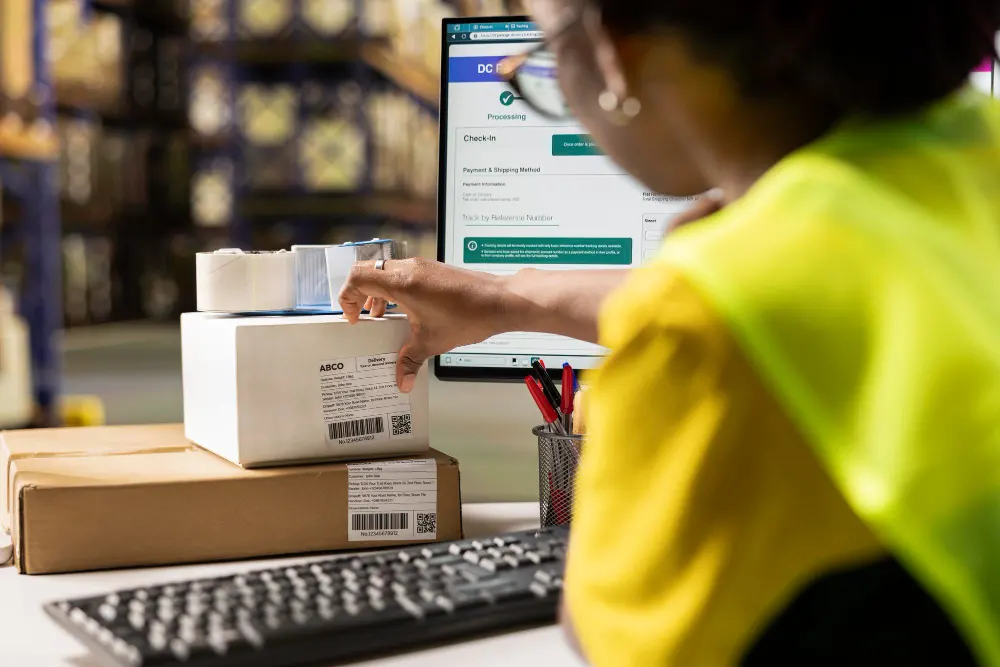
An order management system, often called an OMS, is a digital platform that handles your orders from start to end. For example, if you’re a dairy supplier, an automated system begins assisting you from the moment an order is placed to delivery and invoicing. In a nutshell, it combines everything you need to process your orders in one place, which acts as the first step towards error minimisation.
Why Should You Care About Order Errors?
The answer is simple: every mistake can cost you time, money, and trust. You might burn time or resources by chance, but you can’t afford to lose hard-earned customers. That’s why distribution companies like yours need to ensure that no slip-up in order management causes a blunder that could damage your reputation.
Since 90% of buyers say company experience matters greatly to them, it is unwise to let an avoidable error create disappointment. This is why reducing potential issues in order processing is essential. Fortunately, an OMS helps your business minimise these risks. Let’s understand how.
Reducing Common Order Errors With an Order Management System
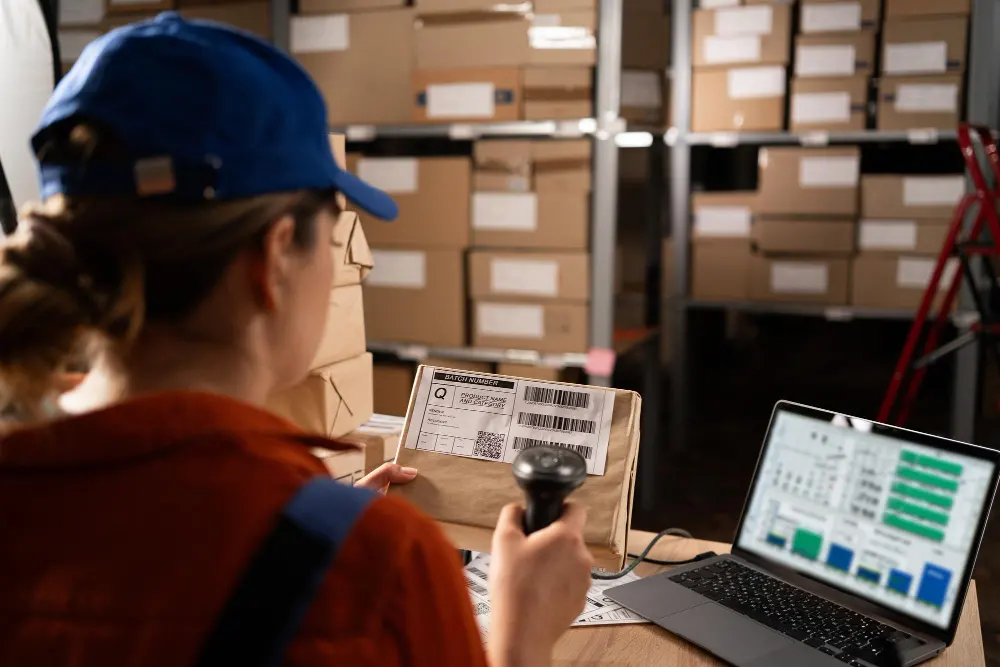
Here are the most common errors that Australian businesses, especially food and beverage companies, face, and how an OMS helps prevent them:
Order-Taking Inaccuracies
When taking orders over calls or messages, you might unintentionally record incorrect data. Common issues could include:
- Mixing up customer names
- Confusing order quantity
- Missing special instructions
However, when you integrate an OMS into your business, customers automatically fill in their details on an online portal, reducing the risk of human error. Direct customer input improves accuracy at the very first stage of the order management process.
Wrong Product Selection
Another error you can reduce with an OMS is selecting the wrong product. This error often happens when items have similarity in the following things:
- Names
- Sizes
- Codes
In automated order processing, you don’t have to sift through sheets to know the exact name or code of the product. Instead, the algorithms themselves do this job, helping you make the right choice. As a result, only the ordered product gets delivered.
Duplicate Order Entries
Duplicate entries are among the common manual order entry mistakes. When the number of sales channels and product lines increases, you often lose track of where an order came from. Common problems include:
- Enlisting the same customer again
- Entering repeated email requests
Processing the same order twice ultimately leads to duplicate processing, which can increase delivery costs. And, if this happens repeatedly, it might affect product availability.
Out-of-Stock Orders
One more widely occurring blunder in distribution companies is taking orders for out-of-stock products. The main reason for this mistake is usually the lack of real-time visibility of stock levels. An OMS solves this problem by providing a centralised dashboard where every team member can directly see the inventory. This quick access enables them to confirm product availability before accepting the orders.
Lost or Forgotten Orders
It’s easy to forget or misplace orders when using the following manual methods for recordkeeping:
- Handwritten notes
- Digital note-taking
- spreadsheets
However, if order details are saved in an OMS, an unfulfilled order keeps appearing on the dashboard, keeping you aware of what’s missing. With constant attention to a centralised portal, it becomes harder for orders to slip through the cracks.
Incorrect Pricing
Labelling the wrong price on an order is not uncommon in a distribution business. When rates are entered manually, staff may make typos or enter outdated prices. Also, they might forget to add customer-specific discounts or apply the rates of the ongoing promotion.
But when all such pricing details are already configured in an order management system, the probability of these errors becomes nearly zero. By making timely pricing updates to the software, you can ensure that the correct rates apply every time.
Payment Allocation Errors
Allocating paid invoices to the wrong customers is also a common order-processing error. The good news is that you can minimise the risk of this mistake, too, with a digital order management system. The software doesn’t just generate invoices; it also matches the payments to the correct orders. In case of any discrepancies, you receive an instant alert from the system and are kept aware of issues in time.
Mismanagement of Deliveries
Deliveries are an integral part of order processing, and distribution companies often encounter various errors in this final step. These usually include the risk of entering
- Wrong addresses
- Incorrect contact details
- Inappropriate delivery routes
All such blunders can lead to unnecessary delays and increased delivery costs. With an OMS, verified customer addresses are stored and selectable for each order. Besides that, the system allows real-time delivery tracking, helping you know if the product is reaching the right customer.
The Final Thoughts
Put concisely, automated order processing with an online order management system reduces errors by eliminating repetitive tasks. From capturing customer details and storing them in cloud servers to generating invoices and managing delivery routes, they offer help at every step.
For distribution companies in dairy, beverages, bakery supplies, or other food sectors, this type of software can significantly improve accuracy and efficiency. If you’re now planning to integrate an OMS into your business, EasyVend is the option you need. It’s an all-in-one platform that helps you keep an eye on every operation in order management and reduce the risk of errors with effective automation. Request your free demo to see how it can streamline your business.