

When it comes to small business survival, effective inventory management is where success is truly defined. Without a proper system, you’re at high risk of stockouts or overstocking, both of which can seriously impact your bottom line.
If you think inventory management is just about tracking products, think again. It also affects customer satisfaction and plays a crucial role in your overall business success. Therefore, mastering small business inventory management is essential for taking your business to the next level.
In this guide, you’ll discover everything you need to know about inventory management, including smart techniques and a step by step approach, so you can maintain optimal stock flow and simplify your operations.
What Is Inventory Management?
Inventory management is the process of ordering, storing, tracking, and controlling the stock of products your business sells or uses. It helps you maintain the right quantity of items to meet customer demand without overspending on storage or risking shortages.
This process covers managing everything from raw materials to finished goods and all the inventory stages in between.
At its core, small business inventory tracking will save your business from two major problems :
- Overstocking: Ties up cash and space
- Understocking: Results in missed sales and dissatisfied customers.
A good inventory management system for small business can offer real-time visibility into your stock levels so you can make the right decisions about production and sales strategies.
Common Inventory Management Challenges for Small Businesses
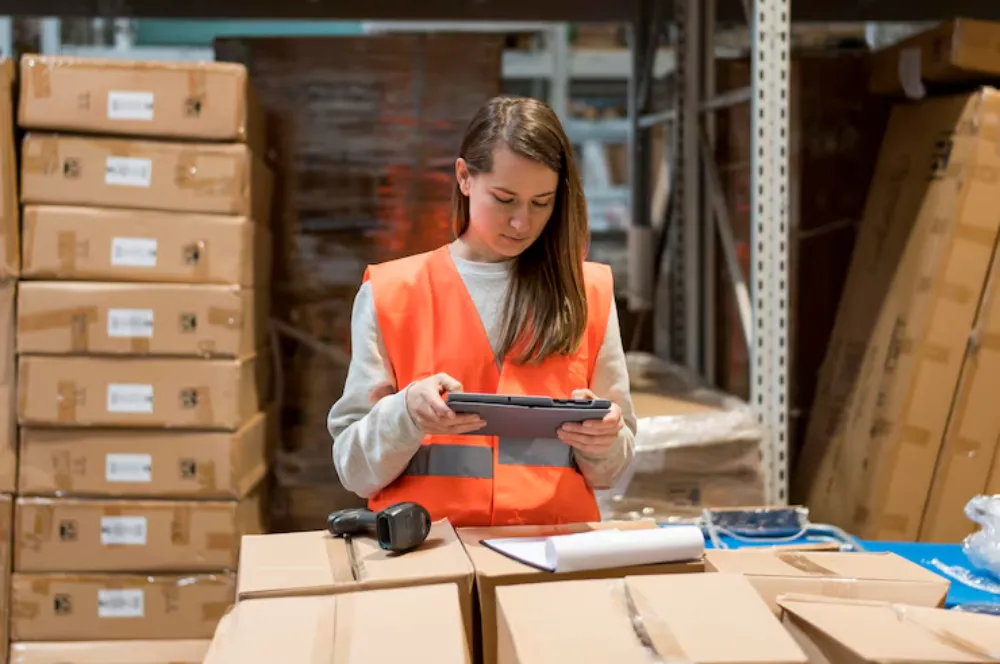
If resources are tight or you don’t have a proper retail store inventory management system, your small business will become a headache.
Here are some common issues small businesses have to face without effective inventory control:
- Manual Tracking Mistakes: You rely on spreadsheets or paper which can lead to errors and missed orders.
- No Real-Time Visibility: You do not have live stock updates and can be caught off guard during audits or busy sales periods.
- Overstocking or Stockouts: There is poor forecasting and no accurate reorder rules are in place. It may result in excessive stock or insufficient inventory when needed most.
- Disconnected Systems: When your sales and inventory tools don’t sync, mistakes and double data entry become a daily hassle.
- Delivery Disruptions: Without proper tools, your whole system of managing deliveries and stock movement gets messy, and customers feel it.
Smart Inventory Management Techniques Every Small Business Should Know
You can avoid the inventory challenges mentioned above by applying some smart management techniques.
Let’s take a closer look at the most effective ones:
- ABC Analysis
In this technique, you need to categorise inventory into three groups based on product value and how frequently each item is sold:
- A items: High-value products with low sales frequency
- B items: Moderate value and sales frequency
- C items: Low-value products
You should always focus on A items because they represent a large portion of your inventory value, even if they don’t sell as frequently. These high-priority items are usually defined by how difficult they are to replace, or how essential they are to your customers and day-to-day operations..
- Economic Order Quantity (EOQ)
EOQ calculates the ideal order size that minimizes total costs by balancing ordering and holding expenses. Use your average demand, order cost, and holding cost to determine EOQ. This reduces unnecessary orders while avoiding stockouts.
Review and adjust EOQ regularly to reflect changing sales patterns or supplier pricing.
- Safety Stock
Set a minimum safety stock level for the items based on past sales trends and delivery lead times. It will protect you against uncertainties in demand or supply delays.
- Reorder Points
Once you set reorder points, it triggers automatic orders when inventory drops below a certain threshold. This is how you can replenish stock in a timely manner without manual intervention.
- FIFO (First In, First Out)
The FIFO method means selling your oldest stock first. This approach is important for perishable items as it helps you avoid spoilage. It also reduces waste because products are used or sold before they expire. Your staff must be trained to follow FIFO when picking and packing orders.
- Just-in-Time (JIT)
With this technique, you can reduce inventory levels by ordering stock only when needed for production or sale. This approach minimizes storage costs. But you need to work closely with reliable suppliers who can deliver quickly and consistently.
How to Manage Inventory in a Small Business – Key Steps to Follow
Besides learning these techniques, you should also follow some key steps to keep your inventory on track:
- Track Your Stock Levels Regularly
Monitor your inventory regularly to know exactly what you have in stock. With real-time tracking, you can prevent surprises and make informed purchasing decisions.
- Fine-tune Your Sales Forecasting
You can use past sales data and market trends to predict future demand. Accurate forecasting can save you from purchasing excess stock and you do not miss any sales opportunities.
- Strengthen Supplier Relationships
If you want timely restocking, you should have reliable suppliers. When you communicate with them regularly and build relationships, they ensure consistent deliveries of your products.
- Conduct Regular Audits
You should perform physical stock counts to verify your inventory records. This will help you catch issues early before they escalate.
- Implement Smart Reordering Rules
You should use reorder points and automated alerts as they will notify you when your business runs low on any essential items.
- Use Stock Management Software For Your Business
The use of stock management software for small business can handle all the orders and deliveries accurately. From inventory tracking to invoicing and delivery management, these tools can help you manage everything efficiently in one place.
For example, if you run a business in the food and beverage industry, EasyVend is an excellent choice. It integrates seamlessly with popular accounting platforms like Xero and MYOB and ensures your financial records remain accurate without extra effort.
With EasyVend, you get real-time stock updates, which reduce errors and help prevent overselling. Its mobile app allows delivery drivers to update routes and stock levels on the go. Plus, EasyVend offers customizable features, so you can tailor workflows to match your unique business needs.
Conclusion
The crux of our discussion is that effective inventory management is crucial for the success of any small business. You should understand and apply smart techniques like ABC analysis, EOQ, FIFO, and JIT.
Additionally, following practical steps such as regular stock tracking, accurate sales forecasting, and building strong supplier relationships will help you avoid costly mistakes like overstocking and stockouts.
Transitioning from manual methods to automated inventory programs for small businesses like EasyVend can transform your operations and set your business up for long-term growth.
Start today to take the stress out of inventory management and consult EasyVend to help build your business.
FAQs
What is the most used inventory method?
The First In, First Out (FIFO) method is the most commonly used inventory management approach. It ensures that the oldest stock is sold first, which is crucial for perishable goods and helps reduce waste.
How often should I count or audit my inventory?
The frequency of inventory audits depends on your business size and how quickly your products sell. Generally, conducting physical counts monthly or quarterly is recommended to keep your records accurate and catch discrepancies early.
What Are the Benefits of Using Inventory Management Software?
Small business inventory management software offers real-time stock visibility, automates ordering and invoicing, and reduces manual errors. It integrates with accounting systems and provides valuable reports. It streamlines workflows and improves your business decisions