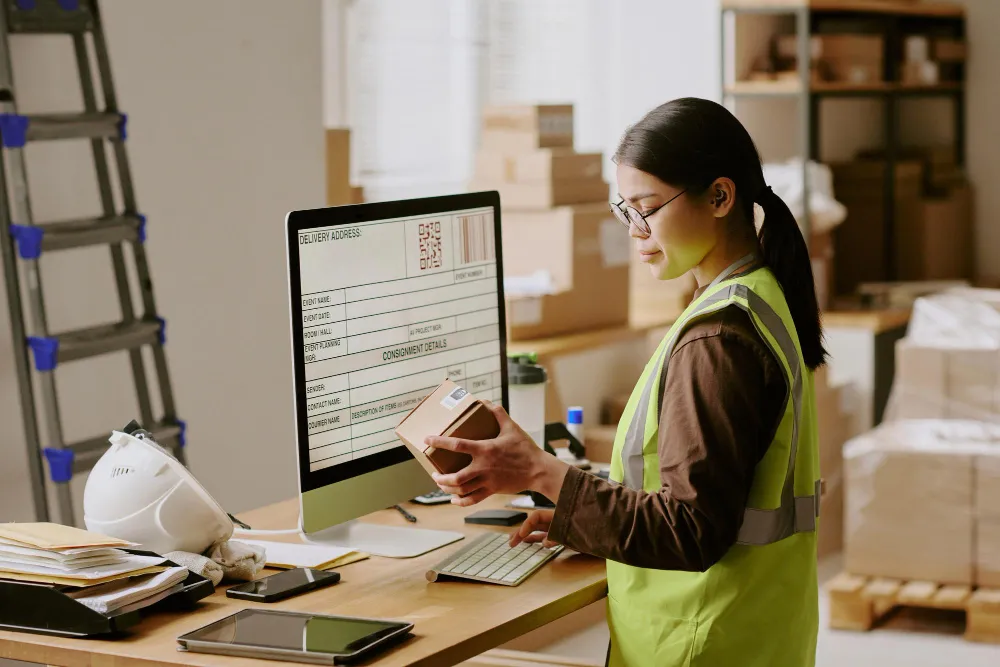
If you still manage orders through WhatsApp messages, phone calls, and scattered spreadsheets, you already know how quickly things can get out of control. One missed message can delay a delivery. One incorrect entry can affect your inventory. These small issues build up and start slowing your entire business.
Finding the right digital tools, like order management software for small business is the only way to reclaim your time and overcome the daily stress.
In this post, you will learn which tools matter most and how they improve your day-to-day operations in practical ways.
Top Digital Tools to Simplify and Streamline Small Business Operations

As your business grows, even simple tasks start taking more time than expected. The right digital tools help you manage these tasks more efficiently and in a more structured way. They allow your team to focus on serving customers rather than fixing avoidable mistakes.
Here are the key tools that can support smoother operations for your business:
Order Management Software for Small Business
Think of order management software as the “brain” of your operation. It pulls in orders from everywhere, such as phone calls, emails, or web portals, and keeps them in one place. You don’t need to hunt through your inbox to find out what a customer needs. It tracks everything from the moment a client clicks “buy” to the moment the product arrives at their door.
If you are tired of manual entry, here are a few order management software for small businesses options worth looking at:
- EasyVend: Built specifically for food and beverage wholesalers who need to juggle orders, invoices, and deliveries in one go.
- Zoho Inventory: A solid choice if you sell across several online platforms and need to keep them all in sync.
- Odoo: An all-in-one suite that lets you customise how your order and inventory workflows interact with each other.
Inventory & Stock Management Tools
Inventory tools track every item moving through your warehouse and automatically update your counts when a sale occurs. These tools beat a manual count any day, giving you a live look at what you actually have on the shelf. Examples of such tools include:
- Cin7: Great for businesses that need to see stock levels across multiple locations in real-time.
- Fishbowl: A robust option for warehouse-level control and manufacturing needs.
Accounting and Invoicing Tools
Handwriting invoices is a massive time sink. Modern accounting tools build your invoices the second an order is confirmed. Automatic invoice generation keeps your records organised and makes managing tax much easier.
You can consider:
- Xero: Excellent cloud-based software that handles bank feeds and reconciliation without the manual fuss.
- FreshBooks: Extremely user-friendly if your business is mostly service-based and you need to bill for your time.
Delivery and Route Management Tools
Fuel and time are your highest costs on the road. If your drivers are operating without a clear plan, you are losing money. Delivery and route management tools plan the best path for every delivery and let you see where your trucks are throughout the day. Some common examples of these tools are:
- Routific: Focuses on finding the shortest route possible
- Onfleet: Makes it easy to talk to drivers and gives customers real-time updates on their delivery.
- Tookan & Circuit: Both are great for organising daily dispatch and ensuring drivers stay on schedule.
CRM and Customer Management Tools
A CRM is basically a digital memory for your business. It stores every chat, email, and order history for every customer. Instead of digging through notes, you have everything you need to give a client a quick, informed answer.
Examples of such tools include:
- HubSpot CRM: A great “forever free” starting point for tracking basic customer emails and calls.
- Zoho CRM: Highly flexible if you want to customise how you manage sales leads.
- Salesforce: A powerful option for businesses that need advanced data and complex reporting.
Work Order Management Software
If your team does on-site repairs or maintenance, you need a way to track those jobs. Work order software for small businesses replaces verbal instructions with a clear, digital paper trail.
You can consider:
- Jobber: Perfect for field service teams who need to schedule jobs and invoice on the spot.
- ServiceM8: Keeps your service operations organised with live status updates from the field.
Communication and Collaboration Tools
When the office and the warehouse aren’t communicating, mistakes happen. Communication and collaboration tools provide a dedicated space for your team to chat and share updates without clogging up everyone’s email.
Best examples of such tools are:
- Slack: Uses “channels” to keep different projects or departments organised.
- Microsoft Teams: A powerhouse for companies already using Office 365 who need video calls and file sharing.
- Zoom: Still the standard for quick, reliable video meetings with remote staff or clients.
How Digital Tools Transform Your Daily Operations
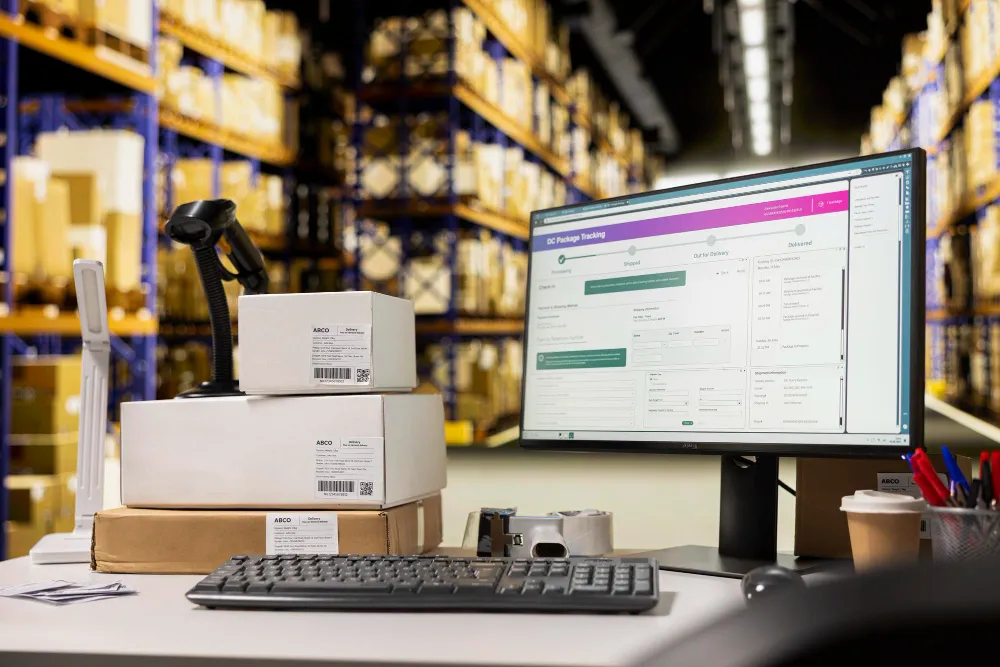
Switching to digital tools is about clearing the roadblocks that slow down your business. Here is how these tools make a difference in the real world:
Reclaim Your Day from Manual Data Entry
By centralising all requests in a single dashboard with digital tools, you stop the constant app switching and gain complete control over your workflow.
For a beverage distributor, this approach can cut the time needed to process a mix of phone and email orders in half. It also ensures consistent order data and a faster fulfilment cycle without needing to enter the same information twice.
Build Accountability Without Micromanagement
In many small businesses, tasks move through a “he-said, she-said” chain of phone calls and messy group chats. Such an informal approach makes it nearly impossible to track progress once you have more than a couple of jobs running at the same time.
A work order system fixes this issue by turning every job into a clear, step-by-step workflow. For a service business, using digital tools means you can assign a task to a technician and watch its status update in real time on your screen.
With this level of visibility, your team stays on top of their tasks without you having to micromanage.
Protect Your Margins with Accurate Stock Data
The worst feeling in distribution is promising a product you do not actually have. Digital tools take the guesswork out of your warehouse. Instead of a frantic manual count in the early morning, you get a live look at your shelf levels. This precision prevents “stockouts” and ensures you aren’t tying up your cash in extra inventory that isn’t moving
Accelerate Cash Flow with Real-Time Billing
If you wait until the end of the week to handle your billing, you are effectively delaying your own paycheck. Integrating your systems with digital tools closes this gap by generating an invoice the second an order is marked as complete. You get a live look at who has paid and who is overdue, keeping your bank balance healthy.
Enhance Customer Experience With Better Insights
Good service is about having the right answers at the right time. When a customer calls to ask about an order from six months ago, a CRM lets you find it in seconds and makes your small business look like a major, professional operation. This consistency builds the kind of trust that keeps clients coming back.
A Practical All-in-One Approach to Operations Management
Managing five different apps can be just as tiring as managing five different spreadsheets. The real magic happens when your digital tools interact with each other. An integrated platform connects your orders directly to your inventory and your accounting.
EasyVend is designed specifically to solve these operational challenges. It is an Australian-made platform with 40 years of history supporting distributors. It brings your ordering portal, stock tracking, and driver app (MiniVend) together in one place. Because it integrates nicely with Xero and MYOB, your financial records stay aligned with operational data.
Conclusion
Digital tools are the secret to working smarter for small businesses. They swap out messy manual habits for systems that actually work. By picking the right order management software for small businesses and the right task-tracking tools, you stop managing “chaos” and start managing a business efficiently.
If you’re ready to scale and leave paperwork behind, a solution like EasyVend can help you get organised and set up for growth.