

More orders should mean more profit. But in reality, they often mean more chaos for businesses relying on manual workflows. Without scalable systems in place, businesses often face missed deliveries, invoicing delays, inventory inaccuracies, and increasing operational pressure.
Order management scalability helps businesses handle higher demand without sacrificing speed, accuracy, or customer experience.
This guide explores the most common order management scalability challenges, the key performance metrics worth tracking, and practical strategies businesses can use to support long-term growth.
Quick Summary
Order management scalability is the ability of your ordering system to handle more orders, channels, and complexity without slowing down or breaking. Suppliers achieve it through automation, centralised data, smart metrics, and software that grows with the business rather than against it.
What Is Order Management Scalability?

Order management scalability describes how well your ordering system handles increases in demand, customers, products, and sales channels without losing speed or accuracy.
A scalable setup keeps order entry, invoicing, deliveries, and stock updates running smoothly, whether you process 50 orders a day or 500.
For food and beverage suppliers, the real test usually arrives during peak season or a big new contract. If a 30% jump in orders forces your team to work weekends and customers start calling about missing deliveries, your process has reached its limit. True scalability allows businesses to handle increased demand without disrupting day-to-day operations.
Common Order Management Scalability Challenges
Before we look at the fixes, it helps to name the issues that quietly drain time and revenue from supplier businesses every day.
- Managing Orders From Multiple Channels
Orders rarely arrive through one tidy channel. A regular cafe owner might text you. A new restaurant can email a purchase order, or a driver may pick up a verbal top-up at the back door.
By the next afternoon, no one is sure what was promised to whom. When things are scattered across phones, inboxes, and sticky notes, Orders are more likely to be delayed or overlooked.
- Inventory Visibility and Stock Accuracy Problems
Without a single source of truth for stock, suppliers either:
- Over-promise and disappoint customers
- Over-order and tie up cash in slow-moving inventory.
Manual counts also lag behind reality, so the figure on the screen rarely matches what is actually on the shelf.
- Manual Invoicing and Payment Delays
Each invoice typed by hand costs an extra hour and another chance for an error. Payments then drift past due dates because no one is chasing them. Cash flow tightens even when sales look strong.
- Delivery and Route Management Complexities
Paper run sheets cannot adapt when a customer cancels at 6 am or asks for an extra crate. Drivers ring the office, the office rings the warehouse, and the delivery coordination becomes inefficient and difficult to manage
- Disconnected Systems and Data Silos
When the ordering tool, accounting software, and delivery app are not interconnected, the same data gets entered three times. Reporting becomes a weekly headache, and mistakes multiply quickly.
- Scaling Without Losing Customer Experience
Faster growth often means slower replies and losing that personal touch, which easily pushes loyal customers towards a competitor who still remembers their usual order.
8 Key Metrics That Measure Order Management Scalability
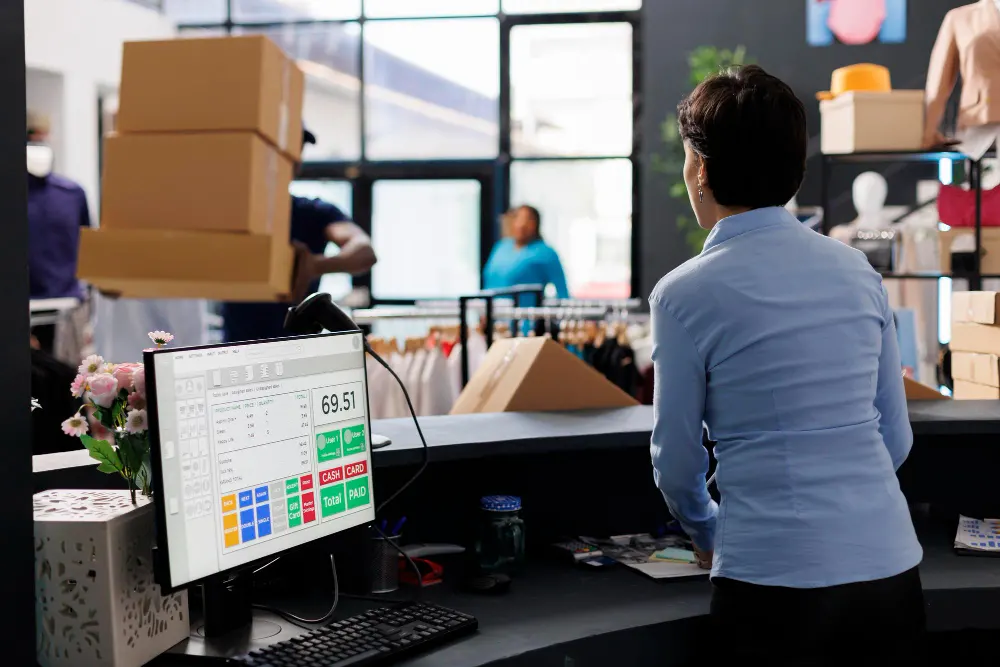
Once you identify the areas slowing your operations down, the next step is tracking the right performance metrics. These eight key metrics help show whether your order management process can handle increasing order volume efficiently.
| Metric | What It Tracks |
| Order Processing Time | Time from order received to confirmed |
| Order Accuracy Rate | Orders shipped without errors |
| On-Time Delivery Rate | Deliveries arriving in the promised window |
| Inventory Accuracy | System stock vs physical stock |
| Fulfilment Cost Per Order | Total cost to fulfil one order |
| Return Rate | Orders returned or rejected |
| Invoice Processing Speed | Days from delivery to payment |
| Customer Satisfaction | Feedback and complaints |
Here is what each metric actually tells you and why it deserves a spot on your weekly review.
- Order Processing Time
Order processing time is the average time between receiving an order and confirming it for fulfilment. To measure it accurately, track how long a morning email or text order sits before it is turned into a warehouse pick slip. If it’s taking more than ten minutes, your entry process might be jammed.
- Order Accuracy Rate
A wrong order costs twice: once to send and once to fix. Track the order accuracy rate weekly by counting how many credit notes or emergency replacement runs your team had to make because of a picking blunder or a data-entry error.
- On-Time Delivery Rate
Late deliveries are one of the quickest ways to lose repeat customers. Track your drivers’ actual delivery times against promised delivery windows for a week, because even a small decline in on-time deliveries can lead to a surge in customer calls and complaints.
- Inventory Accuracy
When the system says you have 12 trays of eggs and the cool room has 4, both sales and reputation suffer. Every Friday morning, choose your three fastest-selling items and do a quick physical count to compare actual stock levels with your inventory system records. This helps reveal how far your system data may be falling behind reality.
- Fulfilment Cost Per Order
Add up the labour, packaging, and delivery behind a typical order. Divide your total weekly warehouse expenses by the number of orders shipped. If fulfilment costs rise during busy periods, operational growth may begin reducing profit margins.
- Return Rate
A rising return rate usually points to one of three culprits:
- Product quality
- Picking errors
- Delivery damage.
Keep a simple tally sheet in the warehouse, marking the exact reason for every return so you actually know what needs fixing.
- Invoice Processing Speed
Revenue means little until customers actually pay their invoices. Count the exact days between a delivery drop and the payment date, then check if the delay is coming from slow office data entry or drivers failing to submit paperwork on time.
- Customer Satisfaction
The repeat order rate serves as a subtle indicator of underlying trends. Instead of waiting for complaints, pull a monthly report of “silent drop-offs.” These are the customers who used to buy every week but haven’t ordered a single thing in the last 14 days. This way, you can call the right people to find out what went wrong.
6 Growth Strategies to Improve Order Management Scalability
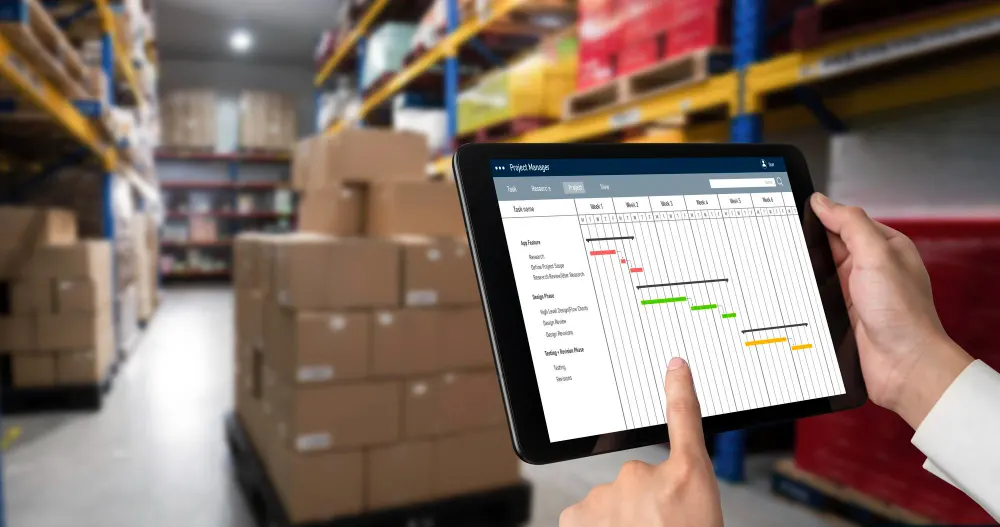
Identifying operational gaps is only the first step. Businesses also need systems and processes that address those weaknesses efficiently. The following strategies move suppliers from constantly chasing emergencies to having smooth, predictable days.
- Automate Manual Processes Wherever Possible
The quickest way to recover hours usually involves fixing your order entry. Instead of manually retyping customer texts and emails, you can use a simple online ordering portal or software that inputs the data for you.
Recurring weekly orders and automated payment reminders can run with minimal manual effort, giving you more time to manage complex orders and focus on growing the business.
- Centralise Operations in One Platform
When you manage orders, stock, invoices, and deliveries in one place, your whole team works from the same up-to-date information. Use an order management system that connects your entire workflow. It should link your live warehouse stock to your online ordering portal, sync automatically with your accounting software, and push routing directly to your delivery drivers.
Connecting these pieces means no one wastes time updating separate spreadsheets, and the office can see an order’s exact status from sale to doorstep.
- Invest in Seamless System Integrations
Order management software is only effective when your inventory, invoicing, and delivery systems connect smoothly without delays or syncing issues.
Before buying any new software, ask for a live demo to see exactly how fast data moves. For example, if a customer buys the last tray of eggs on your portal, that stock count should instantly drop to zero in your warehouse and your accounting app.
Investing in true, real-time integrations cuts down on data errors and keeps your month-end numbers accurate without extra typing.
- Enable 24/7 Online Ordering
Customers should not have to wait for office hours to place an order. An online ordering portal allows them to submit orders anytime without needing to call the office.
Just make sure to set an automatic cutoff time in the portal so late orders don’t mess up your warehouse packing schedule.
- Improve Delivery Efficiency With Mobile Technology
Drivers relying on paper run sheets often lack access to real-time delivery updates and route changes. Instead, use a simple delivery app that runs right on your drivers’ phones. It updates the office in real time, captures proof of delivery, and automatically updates the route if a customer cancels at the last minute. The result is fewer wasted kilometers and far fewer missed boxes.
- Choose Flexible and Customisable Software
Generic software often forces businesses to adjust their processes to fit the system. Instead, choose a high-quality platform designed for your specific industry, such as dairy distribution, packaged ice, or wholesale bakery supply.
Before you sign up, test it with your trickiest customer rule. You need to check if the system can easily handle their specific delivery days, custom pricing tiers, and last-minute order changes without breaking.
Final Thoughts
Scaling order management rarely requires working harder. The real shift happens when you remove the manual steps that hinder growth and add the systems that reward it.
Track the right metrics, close the gaps where orders leak, and choose software that supports your operational workflow rather than forcing major process changes
EasyVend is built specifically for Australian food and beverage suppliers who want to grow without the chaos. We bring centralised orders, automatic invoicing, real-time stock visibility, the MiniVend driver tool, and direct integration with Xero and MYOB into one connected platform.
From dairy and packaged ice to beverage and water suppliers, our customers run cleaner operations and spend far less time on admin.
Ready to see how it fits your business? Book a free demo and watch EasyVend in action.
FAQs
How can businesses handle order processing scalability challenges during peak demand?
The key is to relieve the pressure before the rush actually hits. Look at last season’s worst week and figure out which operational areas struggled the most. Usually, it is the paper run sheets or the manual invoicing. Sort those out a month before peak starts. Moving your regulars onto an online portal also helps, because it keeps the phone free for the real problems.
How often should businesses track order fulfilment KPIs?
Businesses should review fast-changing operational metrics, such as order accuracy, on-time delivery, and unpaid invoices, at least once a week. Longer-term performance indicators, including fulfilment cost per order and customer satisfaction, are usually more useful when tracked monthly because they reveal broader operational trends over time.
Why is order management system integration important for operational efficiency?
Integration removes the manual handoff between your ordering system and your accounting or delivery tools. Without it, the same invoice can get typed twice, and stock figures may fall out of sync. With it, your whole team is always looking at the same real-time operational data.