
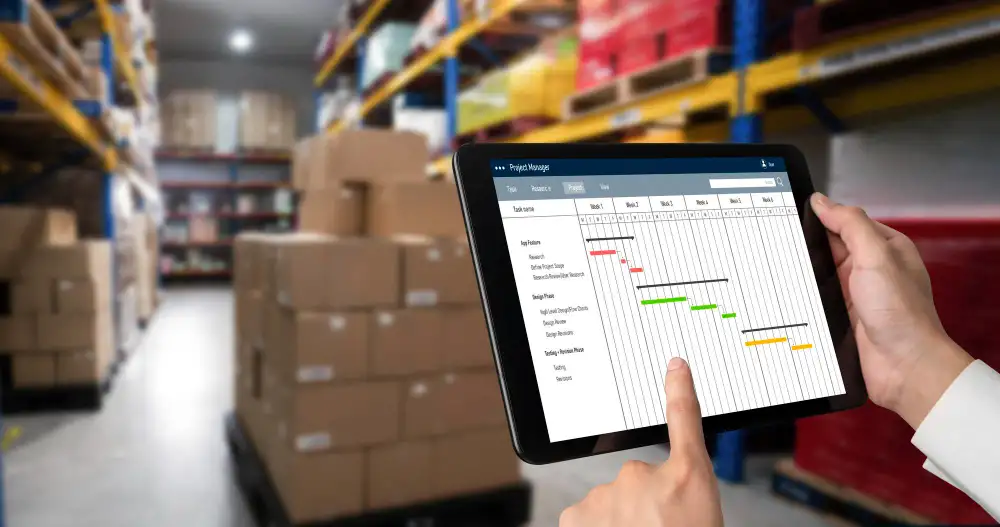
Over 40% of small businesses still track inventory manually, using spreadsheets or paper logs. If that’s you, you know how time-consuming and frustrating it can be.
In 2025, small businesses don’t have to struggle this way. Modern inventory tracking software gives real-time visibility and alerts you when stock is low. By streamlining inventory tasks, this software saves time and helps you focus on growing your business.
If you want to take control of your inventory and simplify daily operations, this guide is for you. We’ll explore the best inventory tracking software for small businesses in 2025 and help you pick the solution that fits your business perfectly.
What Is Inventory Tracking Management Software?
Inventory tracking management software is a digital tool that helps you organise and control stock from purchase to sale. It provides real-time insight into where each item is and how much inventory you have.
Instead of juggling spreadsheets or guessing stock levels, this software connects every part of your workflow. You can see what’s selling fast and how inventory affects your sales and cash flow.
Beyond counting items, it integrates with invoicing and accounting tools and gives you accurate data to make faster business decisions.
Key Features to Look for in an Inventory Tracking Solution
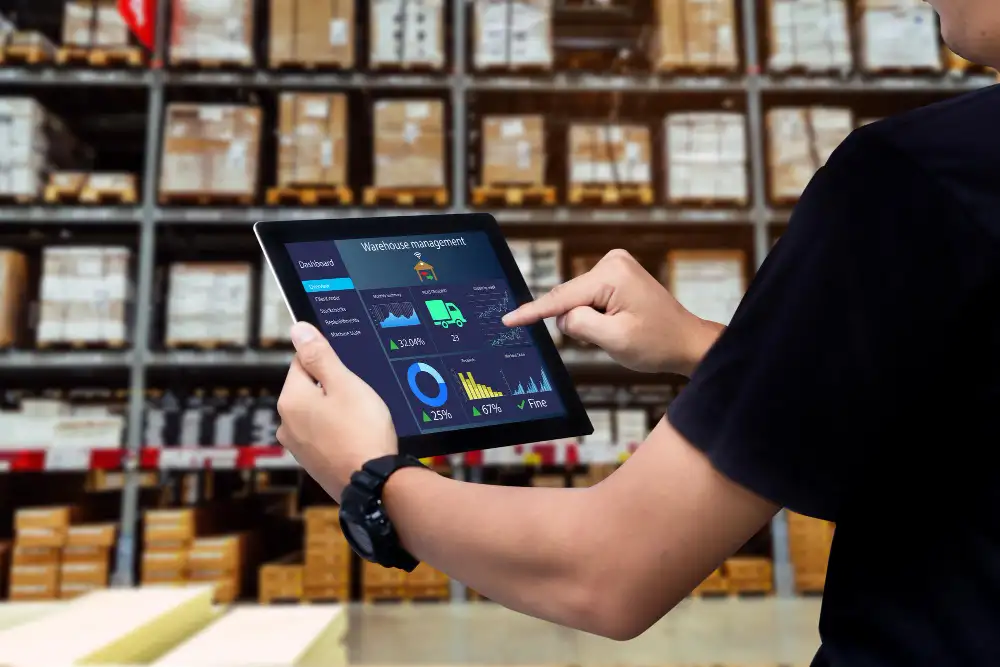
Before choosing an inventory tracking software, it’s essential to know the features that will make your system truly effective. Here are some of the top features to look for:
- Centralised Dashboard
Your software must have a centralised dashboard because it lets you see all stock levels and payments in one place. This saves time switching between tools.
- Automated Invoicing & Payments
Software should be able to automate invoices and payments so you save time on routine financial tasks and improve cash flow.
- Real-time Inventory Visibility
The right software should provide real-time inventory updates to ensure you always know what’s in stock and how fast items are selling out. This prevents stockouts and over-ordering.
- Route and Delivery Management
For businesses that deliver products, the software must offer route and delivery management to optimise schedules and cut transport costs.
- Accounting Integrations
It should integrate with accounting tools like Xero or MYOB to connect your inventory and finances and maintain accurate records.
- Customisation Options
Your inventory software should allow customisation of modules and workflows so it can adapt to your business processes and meet your specific needs.
Top 5 Inventory Tracking Systems for Small Businesses in 2025

Now it’s time to explore real-world solutions. Here are five of the best inventory tracking systems, each with its own strengths, to help you find the one that fits your business perfectly.
| Software | Best For | Key Feature | Pricing |
| EasyVend | Food and beverage suppliers | Automated orders and payments | Custom quote |
| Zoho Inventory | Budget-conscious startups | Multi-channel selling | From $59/month |
| Sortly | Businesses with visual tracking needs | Image-based inventory app | From $39/month |
| inFlow Inventory | Retailers and wholesalers | Barcode tracking and invoicing | From $110/month |
| Katana | Manufacturing and production | Real-time shop floor tracking | From $99/month |
1. EasyVend
EasyVend is a complete inventory management tracking platform designed for Australian suppliers and distributors in the food and beverage industry. It combines operations such as ordering, deliveries, invoicing, and payment processing into a single cloud-based dashboard and automates every step of the workflow.
Pricing is custom-based on business size and modules required. But it offers free demos and trials, so you can explore the platform before committing.
Key Features:
- Centralised order management system
- Automatic invoicing and payment collection
- Route planning and delivery tracking
- Real-time stock visibility with driver mobile app
- Integration with MYOB and Xero
Pros:
- User-friendly interface built for non-technical users
- Strong local support and training
- Tailored customisation for different business models
Cons:
- Primarily designed for the Australian market
2. Zoho Inventoy
Zoho Inventory is a cost-effective solution for small businesses that need basic automation. It integrates smoothly with other Zoho apps and is ideal if you already use their ecosystem. This inventory system supports multiple online selling platforms and keeps your stock synced in real time.
Pricing starts with a free plan for up to 20 online orders per month, while paid plans begin at $59 per month.
Key Features:
- Multi-channel selling with Amazon and eBay
- Real-time inventory updates
- Batch and serial number tracking
Pros:
- Affordable pricing and a free plan for small users
- Easy integration with Zoho CRM and Books
- Clean dashboard with simple setup
Cons:
- Limited forecasting and analytics capabilities
- Can be slow with large product lists
3. Sortly
Sortly focuses on simplicity and visual management. It uses images and QR codes to track stock and is ideal for small teams that want a quick and easy way to manage inventory.
The pricing plan of this software starts from $39 per month, with a 14-day free trial.
Key Features:
- Visual cataloguing with photos
- Barcode and QR code scanning
- Custom folders for different product categories
- Cloud access via desktop and mobile
Pros:
- Very user-friendly for beginners
- Strong mobile experience
Cons:
- Limited reporting tools
- No built-in accounting integration
4. inFlow Inventory
inFlow Inventory offers a reliable and flexible system for retailers and distributors. It includes advanced order management and detailed reporting. Businesses can access it both online and offline, which makes it practical for those with limited internet access.
Key Features:
- Barcode scanning via mobile app
- Built-in quoting, invoicing, and order tracking
- Comprehensive reporting tools
Pros:
- Easy to use with a short learning curve
- Offline mode ensures uninterrupted operations
- Strong customer support and helpful resources
- Flexible enough for retailers and distributors
Cons:
- Limited scalability for very large enterprises
- Slightly higher starting price for small teams
- Reporting can be overwhelming for very small operations
5. Katana
Katana is a modern inventory tracking solution designed for small manufacturers and makers. It connects production schedules with stock management in real time. Integrations with Shopify and QuickBooks make it easy to sync with your existing tools.
Pricing plans start at $99 per month, with a 14-day free trial to explore its features.
Key Features:
- Live production tracking
- Material and order tracking
- Integration with Shopify and QuickBooks
- Custom workflows for production planning
Pros:
- Perfect for manufacturing and craft-based businesses
- Modern interface and responsive support
- Excellent automation and visibility tools
Cons:
- Limited options for non-manufacturing users
- Higher cost for very small businesses
Conclusion
With so many options available, picking the right inventory tracking software can make managing your stock much easier. The tracker inventory systems we’ve covered offer features like real-time tracking and integration with your existing tools. These solutions bring the benefits of inventory management systems into daily operations and help you stay organised.
For small Australian businesses, EasyVend stands out as an all-in-one solution.With built-in payment integration and smart automation, it simplifies your daily operations and supports faster business growth.