

Research shows that companies with advanced supply chain management (SCM) practices can cut costs by up to 20% and improve service levels by as much as 30%. But what exactly is SCM, and why does it matter?
Running a business today goes far beyond simply making and selling products. Behind every item that reaches a store shelf or a customer’s doorstep lies a hidden network of people, processes, and technology. This system is known as supply chain management (SCM), and it’s the backbone of modern commerce.
If you are running a startup, SCM might seem confusing to you but at its heart, it’s about one simple goal: to get the right product to the right place at the right time.
In this guide, you’ll discover what supply chain management really means and the different models businesses use around the world.
You will also learn how technology is transforming the way products move from supplier to customer.
Let’s get started!
What Is Supply Chain Management?

Supply chain management (SCM) is all about coordinating every step that takes a product or service from its starting point to you or your customers. It includes sourcing raw materials, manufacturing goods, distributing the final product to customers, and handling returns.
In other words, SCM connects suppliers, manufacturers, distributors, and retailers into one continuous flow of goods and services.
A well-managed supply chain can help your business:
- Lower costs by reducing waste and inefficiencies.
- Deliver faster by improving logistics and distribution.
- Maintain quality by closely monitoring suppliers and production processes.
- Adapt quickly to changes in demand or disruptions.
5 Core Stages of Supply Chain Activities
To truly grasp how supply chains work, you need to begin with understanding their core activities. Each stage builds on the previous one and forms a complete cycle.
1. Planning the Supply Chain Network
The first stage of supply chain management is planning. Before producing or shipping anything, your business needs a solid strategy to ensure everything runs smoothly.
Planning involves forecasting demand, setting production goals, and then designing the supply chain network. This means you need to decide:
- Where to locate warehouses and storage facilities
- Which transport routes will be most cost-effective
- Which suppliers to partner with for reliability and quality2.
2. Sourcing Materials
At the second stage, businesses select reliable suppliers who can deliver quality materials at the right price. By building strong relationships with suppliers, your business can reduce the risk of delays and shortages.
In industries such as dairy and fresh produce, sourcing becomes even more critical. Any disruption in supply can affect freshness and lower product quality. This can ultimately damage your customer satisfaction.
3. Production / Inventory Control
Next comes production, where raw materials are turned into finished goods. At the same time, inventory control makes sure your stock levels are balanced.
You should keep enough products on hand to meet customer demand, while avoiding excess inventory that can lead to waste.
4. Delivery of the Product
The fourth stage is delivery, which covers distribution and logistics. It includes warehousing, order fulfilment, transportation, and delivery of products to the customer.
Today’s buyers expect fast shipping and real-time tracking, so strong logistics can set your business apart from the competitors.
5. Managing Return Services
In the final stage, you’ll manage returns. Products may be returned due to incorrect deliveries, defects, customer dissatisfaction, or any other valid reason.
Companies that manage returns effectively often see repeat purchases and a stronger brand reputation.
Exploring Different Models of Supply Chain Management
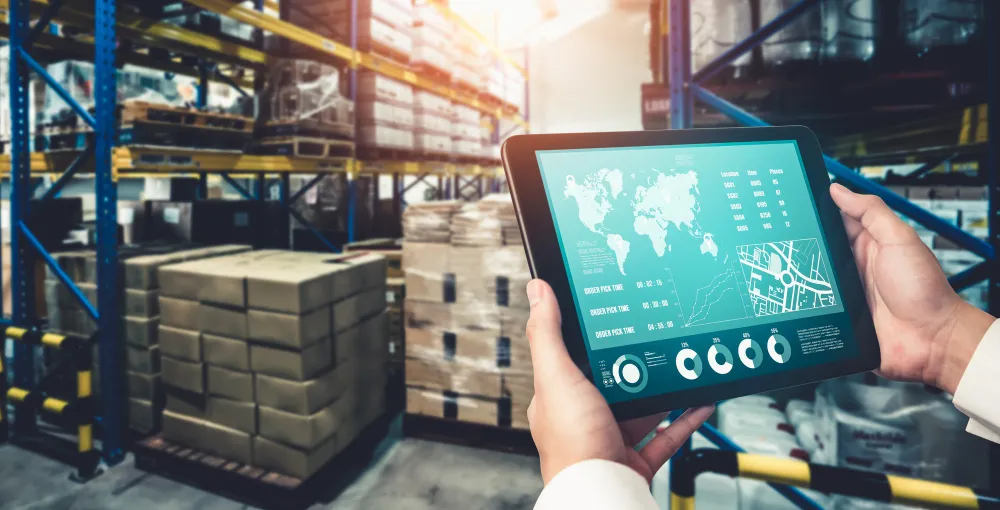
Businesses adopt models that suit their industry and demand patterns. Let’s have a look at different models of supply chain:
| Model | Key Feature | Example Industry |
| Continuous | Steady and predictable demand | Dairy, basic groceries |
| Agile | Adapts quickly to demand shifts | Seasonal beverages, fashion |
| Fast | Speed and short life cycles | Packaged foods, trendy apparel |
| Efficient | Maximises productivity, cuts costs | Supermarket chains, mass retailers |
1. Continuous Model
The continuous model is a supply chain strategy built on a steady and uninterrupted flow of goods. It is common in sectors like dairy, where supply and demand remain relatively stable throughout the year.
2. Agile Model
The agile model is designed for industries with unpredictable demand. It allows businesses to adapt quickly to sudden changes. For example, beverage companies introducing seasonal flavours often rely on agile supply chains.
3. Fast Model
The fast model prioritises speed. It suits industries where product life cycles are short, such as fashion and packaged foods. Businesses follow this model to capture market trends.
4. Efficient Model
The efficient model focuses on cutting costs by maximising productivity and reducing waste. It is common in industries where efficiency directly affects profit margins, such as supermarket chains.
How Technology is Transforming Supply Chain Management Business Process
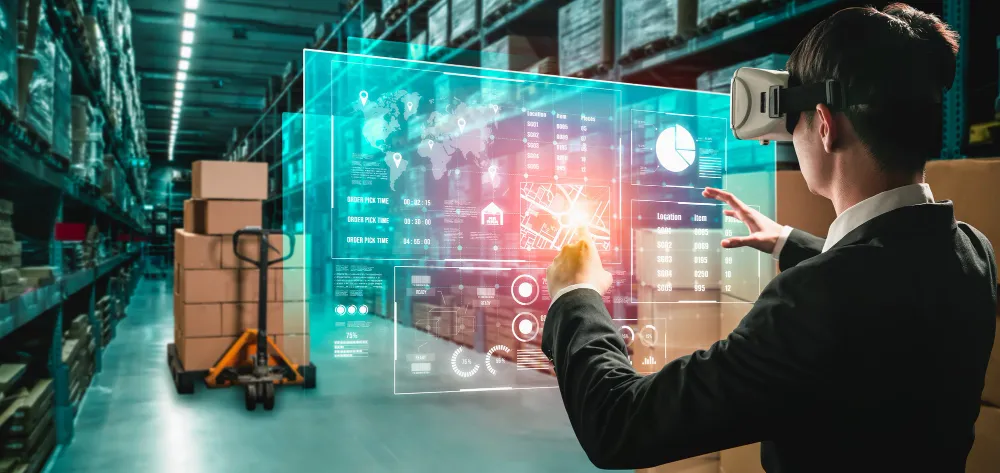
Technology is changing the way supply chains work. It makes them faster and more connected than ever before. Here are some of the biggest innovations shaping supply chain management:
- Artificial intelligence (AI) and Machine Learning (ML)
AI and ML provide predictive insights into demand, pricing, and supply risks. According to IBM, companies using AI in supply chains improve forecasting accuracy by up to 50 percent.
- Internet of Things (IoT)
IoT connects devices and sensors across the supply chain. This technology enables real-time tracking of goods and stock levels to help businesses react quickly if delays or shortages happen.
- Automation & Robotics (RPA)
Automation reduces human error and speeds up repetitive tasks. In many warehouses, robots now handle picking, packing, and sorting, and increase business efficiency.
- Industry 4.0
Industry 4.0 combines automation with smart machines and digital models called digital twins. With these tools, businesses run virtual tests of their supply chains. They identify risks in advance and make improvements before applying changes in the real world.
- Cloud-based SaaS Platforms
Cloud platforms centralise supply chain processes into one system. They provide real-time visibility and secure data storage. For small and mid-sized businesses, SaaS platforms offer cost-effective solutions that were once limited to large enterprises.
How EasyVend Simplifies SCM in the Food & Beverage Industry
EasyVend is a cloud-based platform designed for the food and beverage industry. It combines ordering, invoicing, payments, and logistics into one simple system. By keeping everything in one place, it helps you reduce mistakes and build stronger customer relationships.
Our platform supports you at every stage, from planning and sourcing right through to delivery and returns. Tasks that usually take time or lead to errors are automated, so your team can work faster and with more accuracy.
With clear sales reports, you can plan your stock more effectively. Supplier orders are also centralised, making them easy to track and manage. Each time a sale or delivery is made, your inventory updates automatically, so you always know what is available.
Most importantly, drivers can use our MiniVend app to stay connected on the road. They can manage routes, record proof of delivery, and update orders instantly. Even returns are processed in real time, with invoices updated straight away.