

Are you tired of managing messy paperwork and phone calls every morning? Many dairy suppliers face daily pressure when managing multiple delivery routes and drivers.
Manual data entry creates slow workflows and leads to many expensive mistakes. A digital system keeps your operations connected from the warehouse to on-road deliveries.
Mistakes in a manual system cost you money when a driver misses a stop or a customer gets a wrong bill. Automation handles the hard work so you can grow your business without extra headaches.
In this blog, you will learn how milk distribution software handles every step of your work. We will look at the flow of a typical delivery and how to solve common business problems.
Quick Summary
Milk distribution software helps dairy suppliers automate their daily operations through digital tools. A central platform manages orders, delivery routes, and live inventory to stop manual errors. Businesses save time and money by using smart route planning and automated billing. The system ensures fresh products reach customers on time while simplifying the entire workflow.
What is Milk Distribution Software?
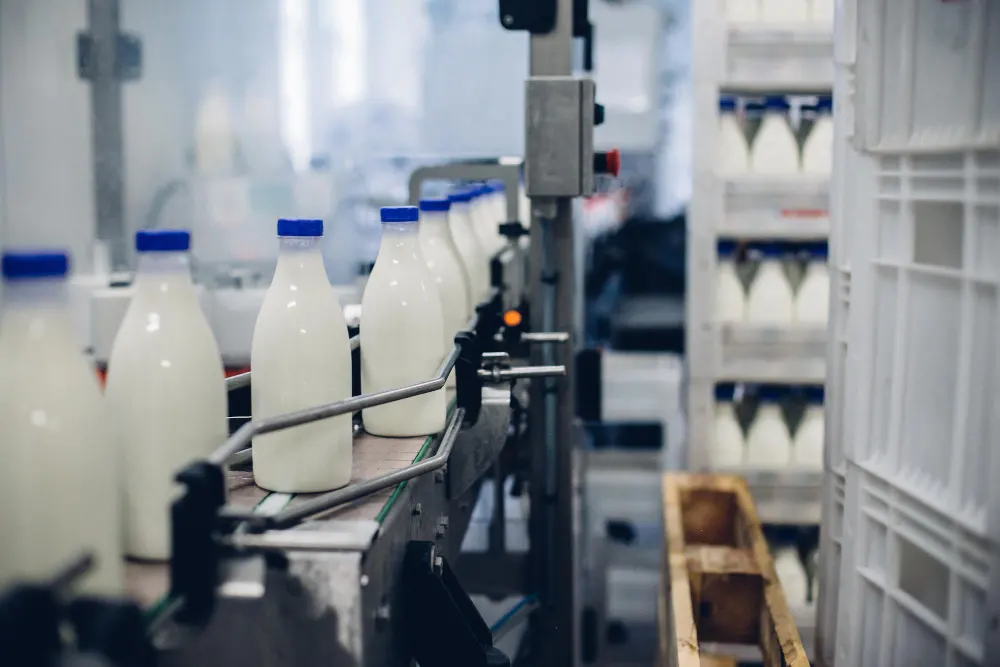
Milk distribution software is a digital platform that helps dairy businesses manage their sales and deliveries in one place. The system acts as a central hub where you can see all of the following in one place:
- Orders
- Stock levels
- Driver routes
One central tool keeps all your business data safe and organized in a single place. So, you can avoid messy paper notebooks to run your day.
Most systems provide aIt gets challenging main dashboard for your office and a simple mobile app for your drivers. Customers also have the freedom to log in and submit their own orders through a private web portal.
Fast communication happens naturally between you and your clients because everyone sees the same information. The use of dairy distribution software allows you to spend your time finding new customers instead of fixing math mistakes on old invoices.
Common Challenges in Milk Distribution
It becomes challenging to run dairy businesses because milk and cheese spoil fast. You have only a small window to sell your stock before it expires. If your logistics are not perfect, you will lose money every single day. Here are some of the biggest hurdles that suppliers face without a proper distributor management system.
1. Inefficient Delivery Routes
Improperly planned routes often result in drivers covering more distance than necessary, leading to higher fuel costs and extra wear on the trucks. Long routes also mean that the last few customers on the list might get their milk late. Traffic jams or road closures can make this even worse if the driver does not have a smart map to follow.
2. Product Loss and Stock Issues
Milk can spoil quickly if deliveries are delayed or stock is not managed properly. Without a live view of your inventory, you might accidentally order too much or run out of stock. Wrong quantities are also a big problem. If a driver leaves three crates instead of four, you lose a sale and frustrate a loyal customer.
3. Billing Mistakes
Prices for milk and cheese change often, and keeping track of different discounts for different clients is hard. A small math mistake can lead to a long dispute with a customer. These errors slow down your cash flow because you have to spend time fixing old invoices.
4. Driver Coordination Gaps
Miscommunication is a major risk when you rely on verbal instructions. A driver might forget a specific delivery rule or miss a stop entirely. If you cannot see where your trucks are, you cannot give customers accurate delivery time updates.
How Dairy Distribution Software Improves Daily Operations
If you use specialized dairy distribution software, it can turn these challenges into strengths. The software connects every part of your business so things run smoothly without your constant supervision.
Digital systems use smart tools like beverage route accounting software to find the shortest routes for your trucks, saving a lot of money on fuel and labor.
A solid distributor order management plan ensures you never lose a sale. Your system checks the warehouse stock and updates your books the moment a customer buys something. Fresh inventory keeps moving, so you throw away less wasted product.
Staff members can save time on data entry and focus on work that actually brings in money. Your whole business looks more professional and trustworthy to your B2B clients.
How Milk Delivery Works with Software
Staff performance improves significantly when you switch from paper sheets to a digital system. Your new software automates your daily tasks and saves you much time. Here is what the step-by-step process looks like.
1. Order Placement
Clients can choose their own dairy items and delivery dates through your branded web portal. Many buyers set up a repeat subscription so they get milk delivered every few days without asking. Your system saves these orders instantly. You can finally stop waiting by the phone or scrolling through text messages for new sales.
2. Order Confirmation
New requests appear on the software’s admin dashboard. You can clearly see your warehouse numbers to make sure you have enough milk to fulfill the request. Customers get a notification as soon as you approve the details in the system. The clarity of updates keeps everyone happy because the buyer knows when their milk will arrive.
3. Order Assignment and Dispatch
Milk management software helps you organize delivery runs once orders are confirmed. The system looks at your list of drivers and their specific routes for the day. Order details go directly to the app on the driver’s phone. Quick dispatching is possible without the need to print long delivery sheets or maps.
4. Orders out for Delivery
Drivers begin their shifts with a clear list of stops on a mobile device. A digital map guides them to each cafe, shop, or home on their route. Updates happen right there if a customer needs to change a quantity at the last minute. A real-time link between the driver and the office keeps your records accurate throughout the morning.
5. Order Completion
The driver marks the task as finished after they drop off the milk. They can take a photo or get a digital signature as proof of delivery. The system then automatically updates the stock levels in your warehouse. It also triggers “automated invoice processing” so the customer gets a bill for the exact amount they received.
Conclusion
A digital system simplifies your work by handling the small details, like order taking. It tracks your orders, manages your drivers, and ensures your billing is always correct. It gives you more control over your business and your time.
At EasyVend, we believe in using the right technology to protect your assets and streamline your growth. Our team is here to help you find the best way to automate your workflow. Contact us today to learn how our systems can give you peace of mind and better results.