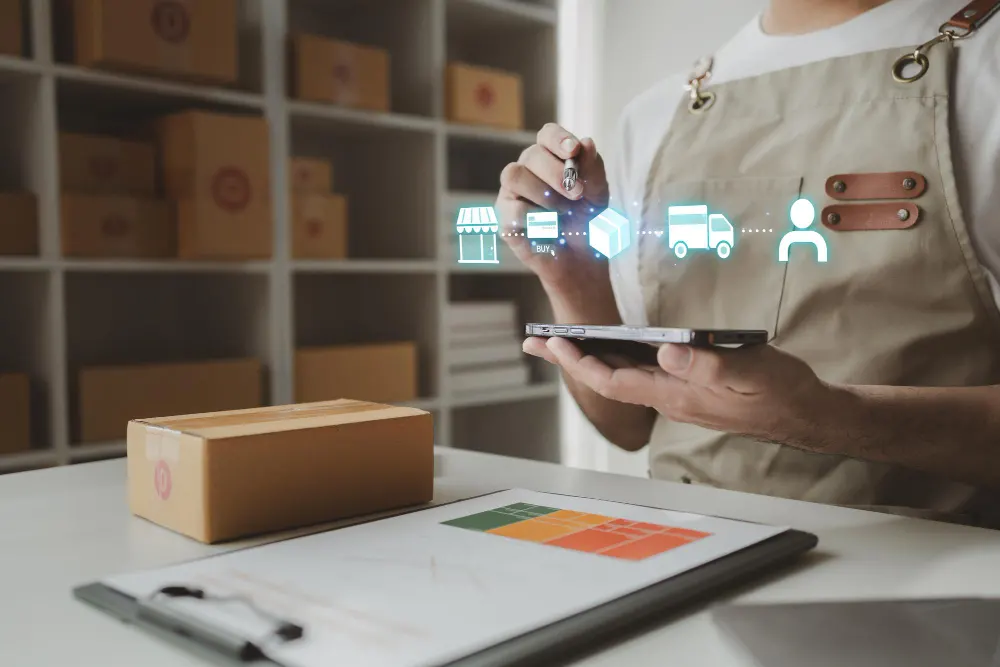
Do you know that over 30% of order errors result from manual order processing? Small mistakes, like a wrong quantity or a missing name, cause big problems. These mistakes lead to late payments and a lot of extra work for your team and your suppliers.
Taking orders over the phone or through text messages is a messy way to run a business. It creates stress and wastes your valuable time every single day. You deserve a system that handles these tasks for you so you can focus on making more sales.
In this blog, we will explain how an automated ordering process works. You will learn why moving away from paper and manual data entry is the best choice for your business. We will show you how simple tools can make your distribution much smoother.
A Quick Overview
An automated ordering process uses digital tools to handle sales, stock, and shipping tasks. It replaces slow manual work like phone calls and paper notes with a fast and reliable system. The technology reduces human errors, ensures your inventory is always accurate, and helps Australian food suppliers deliver products on time to keep customers happy.
What Is an Automated Ordering Process?
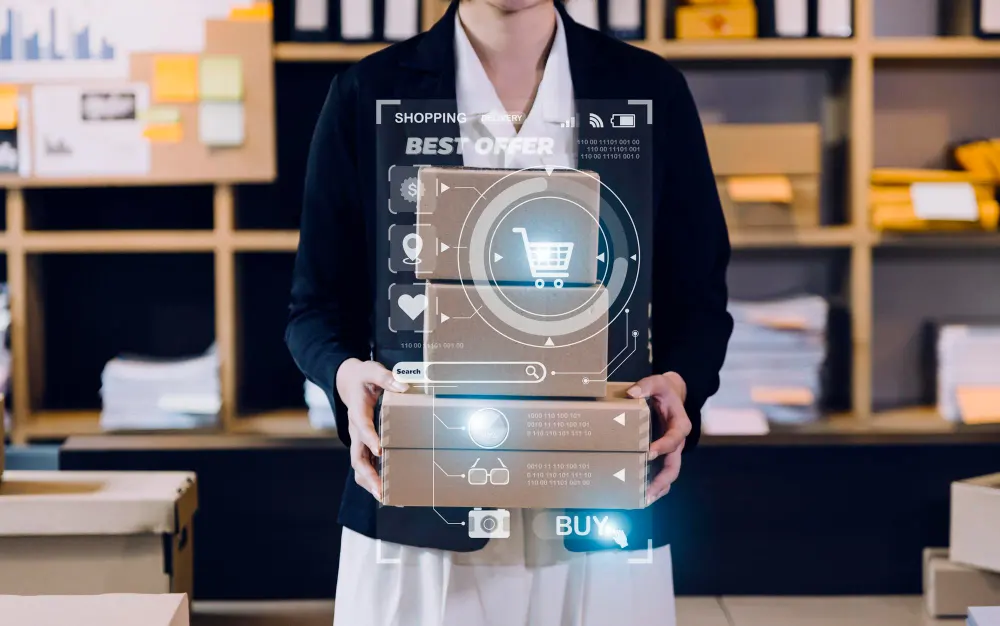
An automated system is a digital system for handling customer purchases from start to finish. It uses software to do the work that people used to do manually. Instead of writing things on paper, the system tracks everything in one place.
You do not have to worry about losing a text message or a sticky note anymore. This technology keeps your data safe and organized.
Manual work is slow and error-prone. You might read a quantity wrong or forget to write down a delivery address. A digital system removes these risks. It connects your sales directly to your inventory and your warehouse.
How the Automated Ordering Process Works
Every business has a routine for how it gets products to its buyers. Moving to a digital system makes this routine faster and much more reliable. Here is the step-by-step process of how automation works.
Order Placement
Your customers can place their orders through a branded web portal at any time. They do not have to wait for you to open your shop or answer the phone. The system records items and quantities instantly, so you have a clear list of what is needed without any guesswork.
Stock Check and Inventory Sync
The system looks at your current stock levels as soon as an order arrives. It checks if you have enough items in your warehouse to fulfill the request. If a product is out of stock, the system updates the portal so customers do not order items you do not have in stock, keeping your records accurate and preventing disappointment.
Picking and Packing
Your warehouse team gets a digital list of what to pack. This list shows the exact location of every item in your facility. Workers can find things quickly and pack them into boxes without confusion. The picking and packing step reduces the time spent walking around the warehouse looking for specific bottles or crates.
Shipping and Tracking
Once the box is ready, the system generates a shipping label and a delivery docket. It chooses the best route for your drivers to save time and fuel. Your customers get an update with a tracking number so they know when to expect their goods. This transparency builds trust between you and your buyers.
Delivery and Confirmation
The driver uses a mobile app like MiniVend to confirm the delivery at the customer’s door. They can take a digital signature or a photo as proof. The system updates your main dashboard in real time to show that the job is done. The final step completes the loop and ensures you have proof of every sale.
Why Businesses Need an Automated Ordering Process

Dairy and food product suppliers in Australia face intense competition. If you are too slow or make too many mistakes, your customers will find someone else. Moving to an automated ordering process is the best way to stay ahead. It gives you more control over your time and your profits.
Faster Order Handling
You can process hundreds of orders in the same time it takes to do ten by hand. The system never gets tired and works 24/7. Fast handling means your warehouse can start packing sooner. Faster work in the office leads to faster deliveries for your clients.
Fewer Manual Errors
Typing data from a phone call into a computer is where most mistakes happen. A digital system removes this step. The data goes straight from the customer to your records, preventing incorrect quantities and prices from ruining your day.
Better Stock Control
You always know exactly how much stock is on your shelves. The system updates every time a sale happens or a new shipment arrives. It helps you avoid buying too much of one item or running out of your best sellers. Good stock control keeps your cash flow healthy.
Lower Operational Costs
Software lets your business do more work with fewer staff members. You avoid the need for a big team just for data entry or basic status questions. Your business also saves money on paper and phone bills every month. These small savings add up to a lot of extra profit over a year.
Easy Business Growth
A manual system can only handle a certain amount of work before it breaks. Automation scales with you as you get more customers. You can add new products or delivery routes without feeling overwhelmed. The flexibility is vital for any supplier who wants to expand their reach.
Clear Tracking and Updates
Modern buyers expect to know where their order is at all times. Automation provides this information without you having to send manual emails. It creates a professional image for your business. When customers feel informed, they are more likely to remain loyal to your brand over time.
Common Problems Without Automation
Old methods create many hidden problems that slow your team down. Such issues eventually lead to lost money or business failure.
- Delays: Paperwork takes a long time to move from the office to the warehouse, which causes big delays.
- Human errors: People make mistakes when they are tired or busy.
- Inventory mismatch: Your records rarely match what is actually on the shelf.
- Customer dissatisfaction: Buyers get frustrated when orders are wrong or late.
Conclusion
Suppliers in the food and beverage industry benefit greatly from digital systems. Your automated invoice processing becomes faster and easier every day. You save many hours previously lost to paperwork. This extra time lets you focus on your clients and new growth paths.
We know that moving to new software can feel a bit scary at first. At EasyVend, we help you through every step of the transition. You can reach out to us for a free demo today to see how your business grows with our help.