
Wholesale bakeries run on incredibly tight timelines. When you are dealing with fresh-baked goods that have a shelf life of less than 24 hours, even a small administrative delay can disrupt deliveries, increase waste, and affect profitability.
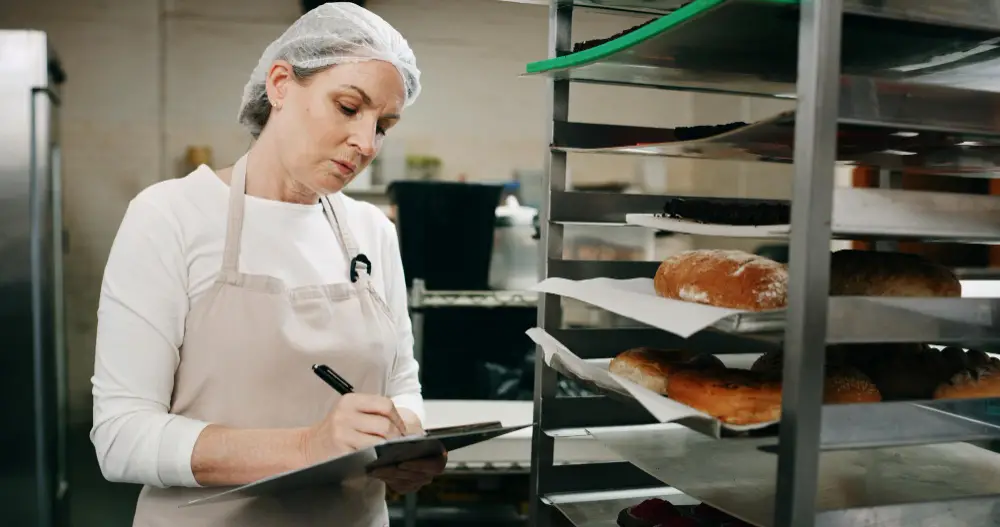
Yet, many commercial bakers still spend hours sorting through messy text messages, answering late phone calls, and cross-checking scribbled paper sheets just to build their daily production lists.
A dedicated bread order management system fixes operational vulnerabilities by connecting your ordering desk, your kitchen crew, and your delivery on a single platform.
In this guide, we will explain the essential features of a bread order system and how to choose a platform that actually fits your daily bakery operations.
Key Takeaways
- A bread order management system replaces manual ordering with secure B2B web portals.
- The most important features to look for are live stock tracking, automatic billing, mobile-friendly delivery routing, and a direct link to your accounting software.
- Choose software designed for wholesale food businesses that is easy for office staff, production teams, and delivery drivers to use every day.
What Is a Bread Order Management System?
A bread order management system is a specialised software designed to handle the fast-moving logistics of commercial bakeries and food service businesses.
Unlike generic retail software, a bread order management system is designed specifically for wholesale bakery operations.
When you are shifting fresh bread to dozens of different locations every morning, you do not have time for miscommunications. A dedicated system handles that stress for you, keeping your office staff, baking crew, and road drivers in sync using a few simple tools:
- Online B2B ordering portals built for wholesale buyers.
- Live production sheets based on automated recurring schedules.
- Browser-based delivery tracking and proof-of-delivery tools for drivers.
- Direct data connections to your business accounting files.
Common Challenges of Managing Bread Orders Manually
Running a wholesale business using paper clipboards and spreadsheets creates continuous friction and frustrates customers. Some of the common challenges we observe while talking to independent bakeries include:
- Missing midnight text messages and late-night voicemails from cafes asking for extra sourdough.
- Stalled cash flow from writing out wholesale bills by hand at the end of the week. Studies of manual data entry suggest an error rate of roughly 2% to 4%, which means your team keeps losing time fixing simple typos.
- Lost or water-damaged delivery sheets on damp loading docks with zero proof of delivery.
- Expensive kitchen waste caused by baking teams guessing their daily production numbers.
Bread-Order Management System vs Manual Order Processing
Comparing a digital order management system to manual order processing shows why updating your system is so important for keeping your business competitive.
| Operational Area | Manual Order Processing | Bread Order Management System |
| Order Intake | Messy midnight texts and missed late-night changes. | 24/7 self-service portals where clients input orders. |
| Invoicing Speed | Hours of manual weekend entry and constant typing mistakes. | Automated digital invoices are sent the second a delivery is made. |
| Driver Updates | Calling drivers on the road or relying on lost paper dockets. | Live browser logging on phones right from the loading dock. |
| Stock Tracking | Clipboard counts that lead to empty shelves or baking waste. | Real-time stock counts that adjust automatically as sales roll in. |
Essential Features of a Modern Bread Order Management System
To free your team from manual order processing, you need wholesale order management software built for the food industry. Research in the International Journal of Entrepreneurship shows that automation cuts manual mistakes by 25% and boosts overall productivity by up to 30%.
To unlock those kinds of results, an industry-ready system requires a few essential features:
24/7 Online Ordering
A modern platform gives your commercial buyers a secure online portal to:
- Log in and schedule their orders.
- Check their specific contract pricing.
- Look over old bills whenever they want.
This online portal saves your office staff from handling messy, late-night changes. For example, if a cafe customer realises late at night that they need extra sourdough, they do not need to text your personal mobile. They can log into the ordering portal and update their order before the cut-off time, and the system automatically updates the production schedule.
Real-Time Inventory Tracking
Good software gives you real-time inventory control over your flour, yeast, and speciality grains. Instead of manually counting how many bags you have left, the system connects your orders directly to your stock numbers.
When an order for 200 white loaves hits the dashboard, the smart inventory tracking system calculates exactly how much flour and yeast you need for the bake. It warns you right away if you’re running low, so your team does not use up all the speciality flour during the night shift and leave you short for morning deliveries.
Automated Invoicing and Payment Management
The software cuts out the weekly panic of chasing payments with automated invoice processing the second a delivery drops. Instead of forcing an administrator to spend hours typing up rows of figures on Monday mornings, the system tracks everything.
Once your driver confirms a drop-off, the system automatically sends the invoice straight to the client. If they are set up on automatic direct debit or card payments, the system charges them based on your exact terms.
Delivery and Route Management
A reliable platform uses a real time delivery tool that updates drop-off schedules in real time without forcing drivers to download large files onto their personal phones.
This live connection completely changes how you handle delivery issues. If a driver pulls up to a restaurant’s back door and finds that two trays of croissants were squashed during transport, they do not need to make pen corrections on a wet piece of paper. The driver simply
- Opens their browser
- Changes the item count on the screen
- Takes a quick photo of the damage
- Saves the update. system integration
The office sees the credit change instantly, and the restaurant is only billed for the perfect pastries they kept.
Accounting Software Integration
Manually moving numbers between an order sheet and your financial books is a massive time sink. Accounting System Integration with Xero & MYOB allows your sales data and weekend customer payments to flow directly into your accounts.
When it is time to do your bookkeeping, everything is already matched up and balanced. Your team just glances over the logs and hits approval with a single click, saving hours of tedious data entry.
Reporting and Business Insights
Instead of digging through old clipboards to figure out what is selling, a modern order management system gives you a clear look at your actual sales.
The software flags which items are generating the highest revenue and which ones are just turning into waste. For instance, you might see that your sourdough loaves consistently clear out by Thursday lunchtime, while your standard wholemeal lines end up as stale returns on Tuesdays.
Knowing this lets you adjust your baking schedules fast, putting your oven space towards your highest-margin items.
Batch and Traceability Tracking
For wholesale food suppliers, being able to trace a batch back through your records matters, especially during a recall or a food safety audit. A good system logs which ingredients went into which run and where those loaves were delivered, so you can act fast if a supplier flags a problem.
Customisable Workflows
Every wholesale bakery runs on different rules, and modern software adapts to that reality. You can set individual cut-off times, lock in unique pricing groups, and manage recurring standing orders automatically.
If a specific food service client has an agreement for a 15% discount on milk bread for their Monday delivery, the system handles it perfectly. The software applies the discount, shuts down their order editing access the minute your Sunday deadline passes, and leaves the rest of your client accounts completely untouched.
Which Bakery Businesses Should Use a Bread Order Management System?

This software is built for anyone handling rapid daily deliveries where order accuracy directly impacts their bottom line, such as:
- Wholesale Bread Operations: Bakeries running high-volume daily drops for grocery chains, school networks, and hospitals, where missing a delivery window means losing a contract.
- Artisan Pastry Suppliers: Teams distributing delicate, high-margin sweets and pastries to boutique cafes, where last-minute order adjustments happen constantly.
- Multi-Site Bakery Networks: Businesses running multiple ovens and warehouses that need to see total production numbers and stock movements in one central place.
- Mixed Food Distributors: Suppliers moving bread alongside dairy, eggs, and general food service lines who need to pack mixed crates accurately every night.
How to Choose the Right Bread Order Management System
Finding the right system means looking for a tool that matches the actual rhythm of a commercial kitchen and delivery route. Use these practical evaluation steps to pick a solution that keeps your team moving:
Choose Software Built for Food and Beverage Businesses
Make sure the team behind the software actually understands things like morning production cut-offs, recurring wholesale orders, and credits for damaged goods.
Platforms like EasyVend are built explicitly around these food industry rules, so you do not have to waste time trying to make a basic retail program fit your workflow.
Look for an Easy-to-Use Interface
Your packhouse staff, bakers, and delivery drivers are under massive time pressure every single day. The interface should be intuitive and easy for office staff, bakery teams, and delivery drivers to use with minimal training.
If a platform looks confusing or takes a lot of clicks just to adjust a loaf count during your initial demo, your team will likely abandon it when things get busy.
Prioritise Cloud-Based Access
You need to be able to check your business numbers, whether you are working in the bakery, managing the office, or checking operations remotely
Choosing a system backed by secure cloud infrastructure ensures your order logs stay live and accessible 24/7 from anywhere.
Check Integration with Accounting Software
Make sure the order platform links directly with tools like Xero or MYOB. A reliable, automatic link moves your sales data instantly and keeps your financial records correct.
Consider Scalability as Your Business Grows
A system might work well when you are serving twenty local cafes, but you need to know if it can handle things when you pick up a major supermarket contract.
Look for software with order management scalability that allows you to start with basic ordering features today and turn on advanced tools, like custom e-commerce web storefronts, as you scale.
Evaluate Local Support and Training
When an order glitch happens at 4 AM, a pre-recorded help video or an overseas ticketing system is not going to save your morning run.
You need a software provider that offers reliable, local support teams who can pick up the phone, understand your issue immediately, and get your drivers back on the road.
Conclusion
Moving away from manual order tracking protects your wholesale bakery from human errors, lost revenue, and operational burnout. By centralising your sales channels, automating your invoicing, and giving your drivers live browser updates, you save hours of office admin every single week.
If you want to eliminate messy paperwork and streamline your bakery logistics, EasyVend by Jeal Tech offers a cloud-based platform backed by decades of local Australian industry support.
Get started today. Book a free demo to see how EasyVend transforms your bakery operations.
FAQs
Can a bakery order management system support wholesale and retail orders?
Yes, it handles your complex wholesale accounts alongside your standard retail orders. This keeps your total baking lists, invoices, and stock numbers tied together across both sides of the business so you don’t have to copy data back and forth.
Is a bakery goods order management system suitable for multi-location bakeries?
The software can handle multiple kitchens and separate delivery hubs through one main account. Managers can track the exact output at each site, move stock between warehouses, and coordinate regional drivers all from one place.
How can baked goods order management software help my business grow?
The software helps you grow by taking tedious admin work off your plate, freeing up your time to win new wholesale clients and focus on the quality of your bakes. By wiping out delivery mistakes and order errors, you build a solid reputation in the market, making it much easier to lock in large, profitable commercial contracts.