

Australians consume roughly 18.9 million eggs every single day, according to figures from Australian Eggs. Meeting that demand requires egg producers and distributors to move large volumes efficiently to retailers, wholesalers, and food service businesses.
When you try to handle that volume with manual processes, things get messy quickly. It only takes one misread note in the morning rush to send the wrong crates down the road. And with fresh stock, those small mix-ups quickly turn into wasted eggs, unnecessary costs, and unhappy customers.
After providing specialised egg industry software to the Australian food and beverage industry for decades, we put this guide together to show you how modern egg order management software can lighten your daily load and help protect your hard-earned profits.
Key Takeaways
- Egg order management ties your entire workflow together, from initial order entry to delivery and final payment.
- Bringing all your orders into one central dashboard stops items from slipping through the cracks and saves your staff hours of re-typing notes.
- Live inventory updates give you a clear view of what is in your cool room so you never sell stock you do not actually have on hand.
- Setting up automated standing orders makes life easier for your regular venue clients and gives your warehouse a reliable baseline every week.
- Digital proof of delivery means returned stock and invoices stay completely aligned without the manual effort.
- Clear visibility across your operational runs can cut out avoidable product spoilage, reduce shipping errors, and save on unnecessary fuel costs.
What Is Egg Order Management?
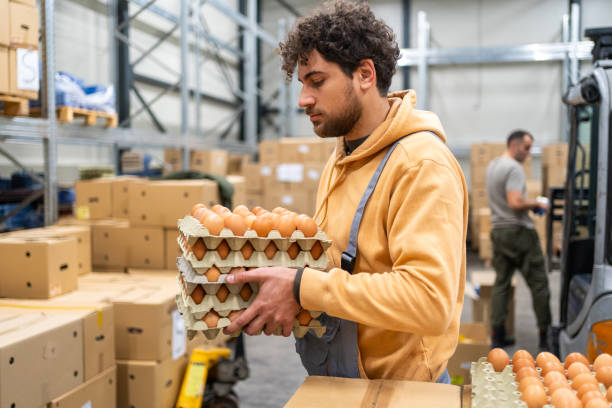
Egg order management is the system behind your day-to-day wholesale operation. It’s how you take in orders, organise picking in the warehouse, plan out delivery routes, send invoices, and track who still owes you money.
Eggs need careful handling because shells can crack and stock has a limited shelf life. Distributors also need clear stock rotation so older inventory moves before newer deliveries. That’s where a dedicated egg order management setup comes in. It swaps out the scattered paper dockets and spreadsheets for one system built specifically for fast-moving food distribution.
Why Is Egg Distribution Difficult to Manage Manually?
If you are running your warehouse on paper notes and phone calls, you already know how easily small issues can compound. As you take on more venue clients, relying on manual processes becomes difficult because:
- Orders Arrive From Every Direction
When kitchen staff sends requests via text, email, voicemail, and messaging apps at 2 AM, your office team spends half their morning just consolidating notes.
- Customer Demand Shifts Overnight
Venues often change their demand based on weekend trade or menu changes, which makes manual inventory forecasting tricky.
- Fresh Stock Needs Tight Control
Eggs need to move fast. Poor stock rotation can leave older cartons sitting in storage while newer stock moves first. Over time, that can increase the risk of ageing inventory, write-offs, or discounted stock.
- Manual Invoicing Slows Down Your Cash Flow
Re-entering handwritten dockets into your accounting platform at the end of the week delays your billing cycle and keeps your cash tied up longer.
How Does Egg Order Management Software Handle the Workflow?
Switching away from manual processes to egg order management software changes the feel of your entire morning. Here is how dedicated software helps you proceed with each order smoothly from start to finish:
Bring Every Order Into One Dashboard
Instead of having your office staff check three different phones and two email inboxes, every incoming request flows straight onto one clean dashboard. Your team can review, tweak, and approve orders in seconds so your warehouse crew knows exactly what needs to be packed.
Give Customers a 24/7 Online Ordering Portal
Chefs and venue managers rarely order during standard office hours. By giving your buyers access to a simple online portal, they can log orders whenever it suits them. This online portal allows them to:
- See their own custom pricing
- Check live stock
- Submit requests without needing to call your office.
Automate Standing and Recurring Orders
Some cafes and bakeries order similar quantities on a regular schedule. For those customers, standing orders can reduce repetitive order entry.
Setting them up on automated standing orders means the system generates them on schedule, so no one has to keep re-entering the same details week after week.
Your customers do not have to worry about forgetting their main order, and you get a clearer baseline for planning upcoming stock requirements.
Update Inventory Records as Orders Are Processed
As soon as an order gets approved, the software updates your available stock counts right away. This update keeps your sales team from accidentally promising crates that are already assigned to another delivery run.
It also gives you early warning if stock is running low so you can call your farm suppliers in time.
Keep Picking and Dispatch Information Organised
Once orders are confirmed, the system turns them into clean pick lists sorted by egg grade or warehouse spot. Your packing team can load up pallets quickly without trying to read someone’s messy handwriting, so the wrong cartons do not end up on the truck.
Organise Delivery Runs and Driver Schedules
Instead of spending time shuffling physical paper dockets into geographic piles on the counter, the platform sorts your orders by delivery zone.
Drivers get a clear and logical sequence of stops right on their mobile devices, making morning dispatch much smoother.
Record Delivery Updates in Real Time
Equipping drivers with a simple mobile app helps them handle dock issues on the spot. If a buyer spots a couple of damaged cartons during drop-off, your driver can snap a photo and grab a digital signature right away. Your office can also see the update instantly.
Generate Invoices and Track Payments
The moment your driver marks a delivery as complete, a clean digital invoice generates automatically. Because any adjustments made at the venue dock are captured digitally, your invoice matches what was actually delivered, saving you from issuing awkward credit notes later.
Sync Records With Accounting Software
The software connects directly with Xero or MYOB, so you’re not stuck entering the same data twice.
Invoices, customer credits, and payments flow straight into your books, keeping customer balances up to date without any extra work on your end.
How Does Egg Order Management Software Help Reduce Waste?

Saving time in the office is a big win, but stopping real product loss is where the software actually pays for itself. Going digital helps you look after your stock in a few key ways:
Better Stock Visibility Reduces Excess Inventory
Clear inventory records can make FIFO stock rotation easier to manage. Your warehouse team can use that information to identify older stock and prioritise it for upcoming orders. Your warehouse team can send out older stock first, so no crates get left behind in a back corner to spoil.
Demand Records Support More Accurate Planning
Looking at your past sales history shows you patterns of how order numbers shift throughout the year. Instead of guessing how many extra cases to order before public holidays or busy seasons, you can buy stock using real numbers.
Fewer Order Errors Prevent Unnecessary Returns
Sending fifty dozen extra-large eggs to a kitchen that ordered medium eggs usually means a rejected delivery. That means extra driving time and unnecessary crate handling that increases the chance of shell damage. Accurate digital ordering ensures your customers get what they asked for the first time.
Real-Time Delivery Updates Keep Stock Records Accurate
When you log damaged or rejected stock at delivery, your stock count updates immediately. You always know your true stock levels, and it prevents your team from accidentally booking damaged stock for another buyer later that morning.
Here is a quick look at how the software features help you tackle different types of waste across your business:
| Software Capability | Waste It May Help Reduce |
| Inventory visibility | Over-committed stock and expired cool room inventory |
| Demand reporting | Inaccurate farm purchasing and poor stock allocation |
| Delivery updates | Unrecorded damage, shortages, and return confusion |
| Route planning | Extra road kilometres, wasted fuel, and driver overtime |
| Automated invoicing | Billing mistakes and time spent fixing dockets |
| Accounting integration | Re-entering data and manual reconciliation errors |
Common Egg Order Management Mistakes to Avoid
Bringing egg distributor software into your daily routine makes a world of difference, but you will get the best results if you keep an eye out for a few common operational traps:
- Forgetting to Set Up Custom Pricing Tiers Early
Egg prices shift based on free-range, organic, cage-free, or weight grades. If you don’t enter your venue price lists correctly, your staff will end up fixing invoices by hand later.
- Treating all Packaging Types the Same
Whether you sell by individual cartons, full crates, or bulk pallets, your system needs to handle those units smoothly so your stock numbers match what is actually picked.
- Skipping Automated Order Cut-off Times
Letting chefs drop or change orders after your warehouse team has already started packing causes unnecessary chaos on the dock. Setting a firm cut-off time in your portal keeps your dispatch running on time.
- Leaving Delivery Drivers on Paper Manifests
If your office uses digital tools but your drivers still carry paper dockets, you lose visibility the moment trucks leave the warehouse. A mobile delivery app can keep your entire team on the same page.
Conclusion
So, when your daily ordering relies on scattered text messages and manual spreadsheets, growing your business or taking on bigger commercial accounts gets overwhelming fast. Modernising your workflow gives you full control back over your stock and keeps your morning runs moving smoothly.
If you are ready to see how easy order management can be, taking a look at EasyVend is a great next step. Book a demo today to see how our Australian-made platform can help you keep your orders, inventory, and deliveries organised in one simple place.
FAQs
Can the software manage regular weekly egg orders?
It certainly can. You can easily set up standing orders for customers who take the same volume on regular days each week. The platform generates those orders automatically so neither you nor your client has to think about them every single time.
Can I record broken or returned eggs with software?
Your drivers can record damaged or returned stock directly on their mobile app while standing at the venue dock. They can update the delivery docket electronically and send that info straight back to your office, so the final invoice is accurate.
Can I manage egg orders from more than one location?
Yes, modern order management software handles multiple cool rooms or depot locations without hassle. You can view live stock across all your sites and keep all your sales records cleanly organised in one main dashboard.