

Major Australian supermarkets sold 248.02 million dozen eggs worth $1.576 billion in 2024–25. That shows the scale of demand for fresh eggs across the country.
For wholesale distributors, the challenge is ordering enough eggs to meet customer demand without leaving too much stock sitting in the cool room. Egg demand forecasting helps you estimate how much stock you will need before placing your next farm order.
In this guide, we break down how to read your buying trends, plan for peak seasons, and use your real daily numbers to keep your supply chain running smoothly.
Quick Overview
Egg demand forecasting helps wholesale distributors figure out how much stock their customers are likely to need over a given period. By looking at sales patterns, recurring orders, seasonal shifts, and current inventory, you can plan purchases with much more accuracy. That means less excess stock, less risk of running short, and better protection for your margins.
What Is Egg Demand Forecasting?
Think of demand forecasting as taking the guesswork out of your next farm order. Instead of relying on what you remember from last month or judging demand by what is left in the cool room, you use your actual order data.
You look at past sales, confirmed orders, recurring customer demand, and upcoming calendar events to estimate how many cartons, trays, or crates you are likely to need.
Doing this helps you order enough eggs to cover expected demand without leaving excess stock in the cool room for too long.
Why Does Forecasting Matter in Egg Wholesale?
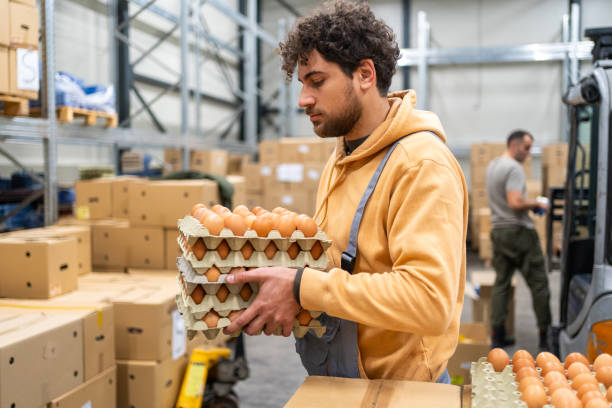
Staying ahead of your numbers changes how your warehouse operates day to day. When you know what your venues are going to ask for before they even call, your whole operation runs much better.
Here is why egg wholesale forecasting is so important:
Eggs Have a Limited Selling Window
Fresh eggs usually come with a strict 35-to-40-day lifespan. The longer a pallet sits in your cool room, the less time your customers have to use the eggs while they are still fresh. Predicting your daily turnover accurately is the right way to keep your quality reputation intact.
Too Little Stock Can Cost You Orders
Without demand forecasting, you may run out of standard 600g or 700g free-range cartons right before a weekend. Your cafe buyers will not wait around. They will buy from another local supplier to cover their breakfast trade, and once they try a competitor, you risk losing that account for good.
Too Much Stock Increases the Risk of Waste
Over-ordering from the farm fills your floor space with stock you cannot move. As the sell-by dates get closer, your options start narrowing fast. You either offload them cheaply to a commercial bakery, or you write off the loss and move on.
Demand Varies Between Products and Customers
An industrial bakery might want bulk liquid egg packs delivered every Monday without fail. A suburban cafe, on the other hand, wants retail-ready free-range cartons for their weekend brunch trade.
If you don’t predict these distinct needs in advance, your stock levels fall out of balance fast.
What Affects Egg Supply and Demand?
Order sizes fluctuate constantly. A sudden change in the weather, a local festival, or a shift in farm prices can change your regular numbers quickly.
Keeping an eye on these main drivers helps you build far more accurate forecasts:
Day-of-the-Week Ordering Patterns
Breakfast spots usually order on Thursday afternoons and Friday mornings. They need to stock up before the weekend hits.
Recognising these weekly spikes prevents sudden chaos on your floor and keeps your delivery trucks leaving fully loaded.
Weekends and Public Holidays
Long weekends can completely change venue demand. CBD venues quiet down completely when offices close for a Friday public holiday, but coastal cafes, bakeries, and tourist spots will easily double their normal crate counts.
Seasonal Menus and Events
Baking season ahead of Easter and Christmas brings a sudden jump in bulk egg orders. On top of that, seasonal menu updates like winter brunch specials or summer salad pushes change which specific egg weights sell fastest.
Customer Growth or Account Change
Landing a major catering client that serves hundreds of meals daily lifts your baseline farm needs immediately. On the other side, if a long-time buyer drops their opening hours from seven days to five, you need to adjust your farm orders right away to stop surplus stock from piling up.
Egg Prices and Product Substitution
When wholesale prices jump, or 700g cartons run short across the market, venue chefs adapt fast. They will swap to 600g or 800g options just to keep their kitchens running. Keep track of these swaps so you do not mistake a temporary shortage for a real drop in customer demand.
Which Data Helps Predict Egg Demand?
Predicting future sales gets much easier when you look at a few internal records together. When you compare these numbers side by side, it quickly brings real trends into focus:
| Data Source | How It Helps Your Forecast |
| Historical Orders and Sales | Shows your natural highs and lows across different months, seasons, and public holidays. |
| Standing and Recurring Orders | Locks in a guaranteed volume baseline by tracking fixed weekly account needs. |
| Current Confirmed Orders | Gives you a precise headcount of stock that must leave your dock over the next 48 hours. |
| Inventory and Stock Movement | Displays live cool room counts so you never buy stock you already have on hand. |
| Customer Buying Patterns | Flags accounts that swap crate sizes, shift delivery days, or slow down in quiet periods. |
| Returns, Credits, and Substitutions | Highlights delivery damage or stock swaps that distort your real sales numbers. |
How Can Egg Distributors Forecast Demand?
Demand planning for egg distributors works best when you adopt a simple, step-by-step approach. You can set up your process in eight practical steps:
- Choose a Practical Forecast Period
First, it helps to set up a rolling two- to four-week planning window. Trying to guess what you will sell six months from now leaves way too much room for error. At the same time, looking only two days ahead leaves your farm suppliers scrambling to pack your order. A two- to four-week window strikes the right balance.
- Separate Products Into Useful Groups
Next, break down your inventory by grade size (like 600g, 700g, or 800g) or farming styles:
- Free-range
- Cage-free
- Organic
Grouping every egg type together hides important details. You might miss that 800g catering packs are selling quickly while 600g retail cartons are sitting completely still.
- Establish a Baseline From Past Orders
Next comes the baseline. You can look back at the last month of sales records and average out the weekly numbers. This insight gives you a realistic starting point before you start adding extra crates for upcoming events or public holidays.
- Add Confirmed and Recurring Orders
After that, you may add all your fixed weekly standing orders directly on top of your baseline. Counting these guaranteed sales first takes the stress out of meeting your minimum farm commitments.
If tracking daily standing orders across dozens of venue accounts has turned into a bottleneck for your office, a dedicated scalable order management system can take those recurring entries off your plate and keep your daily order flow accurate.
- Adjust for Upcoming Changes
Following that, it’s time to bring real-world context into your calculations. Take a minute to scan the local calendar for public holidays and check long-range weather reports. Also, ask your major venue managers if they have big events coming up.
A long weekend might mean city cafes trim their orders while coastal spots double theirs, so tweaking your numbers now can prevent mid-week emergencies.
- Compare the Forecast With Available Stock
Once you have your target figure, it helps to do a quick physical count in your cool room. Subtract the pallets sitting on your floor right now from your projected sales target. Doing this quick check stops you from cluttering your dock with extra crates you do not need.
- Prepare More Than One Scenario
Additionally, you need to write down a high-demand and low-demand plan for the week. Having a backup plan for unexpected rushes or sudden rainy weekends keeps your warehouse agile.
If a major venue calls in a massive last-minute order, your team will know exactly how to handle it without throwing off the rest of your runs.
- Review Actual Orders Against the Forecast
Near the end of the week, review your actual dispatch numbers and compare them against your original guess. You can take note of where your numbers were spot on and where they missed.
When you find the small gaps, you can figure out the reason for the surge and make your next forecast much sharper.
If you keep noticing gaps between what was expected and what actually got fulfilled, human error on daily dockets can be one of the reasons behind it. To clean up those operational slip-ups, check out our practical tips on how to reduce order errors using an order management system.
Common Egg Demand Forecasting Mistakes
Even seasoned egg distributors make mistakes when planning farm orders and managing stock. Avoiding these common forecasting traps keeps your cool room organised and protects your profit margins:
- Relying on Memory or Handwritten Notes for Demand Forecasting
Operating on manual notes or memory makes it far too easy to miss seasonal dips or miscalculate pallet space on your trucks.
For a closer look at what paper trails are actually costing your warehouse, read our breakdown on the hidden costs of manual order processing.
- Ignoring Small Customer Changes
One cafe dropping its order by two crates may not seem like a big deal. But if more venues start doing the same thing, you can suddenly end up with a surplus of dozen eggs sitting on your floor.
- Forgetting Transport Lead Times
Ordering stock from the farm without factoring in freight delivery times can leave your loading dock empty right when drivers need to depart.
- Failing to Track Stock Damage
If you forget to record broken cartons during transport, your system shows stock on hand that you cannot actually sell.
Conclusion
Getting your egg demand forecasting right is one of the fastest ways to protect your margins and build lasting trust with your wholesale buyers. Reviewing past order patterns, keeping an eye on local events, and tracking live inventory takes the guesswork out of your weekly farm orders.
It can be difficult to handle all those moving parts on paper or spreadsheets. That is where EasyVend makes your life easier. Built specifically for food distributors, EasyVend automates your standing orders, tracks your cool room inventory in real time, and syncs directly with your accounting software, giving you clean records so you can forecast demand with complete confidence.
Reach out to the EasyVend team today to see how easy wholesale egg distribution can really be.
FAQs
What happens when actual egg orders differ from the forecast?
When orders come in lower than expected, you can pivot by selling short-dated stock to high-volume commercial bakeries or trimming your next farm order. If demand spikes unexpectedly, having a solid relationship with backup farm suppliers helps you fill the gap fast.
How can a new egg distributor forecast without much sales history?
Start by adding up the guaranteed standing orders from your founding accounts. From there, talk directly to your new venue buyers about their expected weekly foot traffic to build conservative estimates until you have a few months of real sales history on the books.
How do I handle demand when a farm suffers an egg shortage?
You can track your customer categories to prioritise your core accounts first. Reach out to venues early to offer direct size swaps, like substituting 700g cartons with 600g or 800g options to keep their kitchens running while you manage tight farm supplies.