
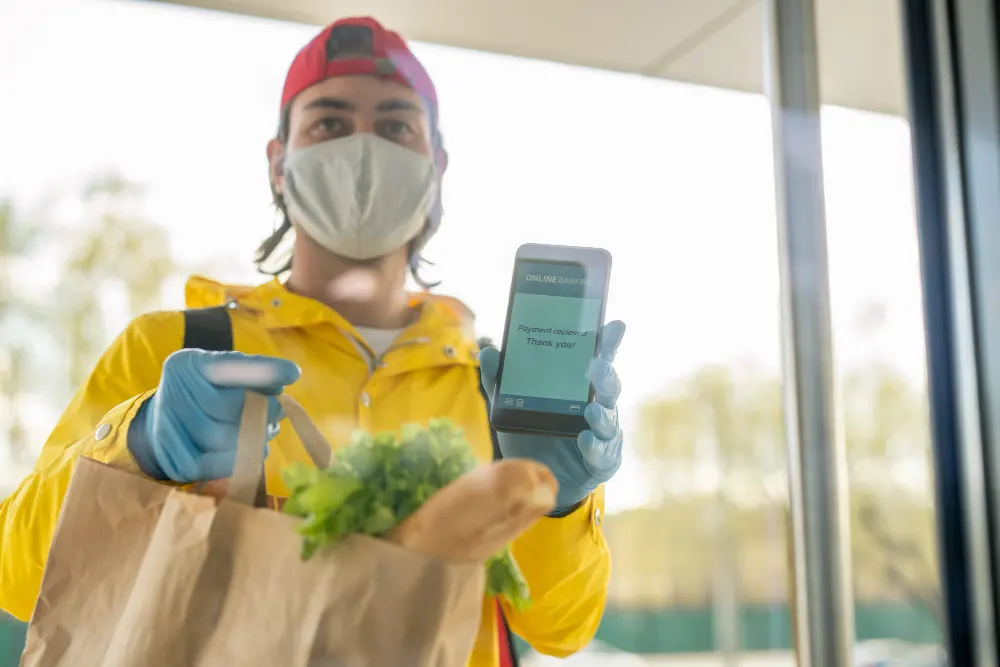
Local dairy suppliers and beverage distributors in Australia face a heavy workload every single day. Food and beverage businesses often start their morning with a stack of paper invoices and a list of delivery stops that seem to grow every hour.
Many small businesses still rely on manual notebooks or basic spreadsheets to track their stock. The old way of working makes it very easy to lose track of a crate of milk or a pallet of bottled water. When a driver gets lost or a customer receives the wrong order, your whole schedule quickly falls apart.
Australian food and beverage business owners want to switch to digital tools, but they worry about the cost or the complexity. You might feel that your current order management challenges are just a normal part of the job that you need to accept.
However, these hurdles are actually signs that your business has outgrown its current tools. In this blog post, we will see how a food delivery management system can make things easier for you and help you run your business in a smoother way.
What Makes Food Delivery Management So Challenging?

Distributing fresh food and drinks requires perfect timing and very clear communication between the office and the road.
You need to balance your warehouse staff’s needs with the realities of local traffic and customer opening times. Here are the common challenges that food businesses face in their daily routine.
1. Juggling Orders from Too Many Channels
Orders come from everywhere, including the following:
- Text messages
- Emails
- Voice notes
It is very hard to keep a clean record when data is scattered across so many different places. A dairy supplier might miss a last-minute request for extra cream if the note is left on a desk rather than sent to the kitchen or warehouse.
These order management challenges create a messy workflow in which items are forgotten, and trucks leave the yard only half full.
2. Manual Errors That Slow Everything Down
Handwriting delivery notes or typing data into an old computer system leads to big mistakes that cost real money. A simple typo in a street address can send your driver to the wrong side of town during peak hour.
If a bottled water company delivers ten cases when the customer actually ordered twenty, that one mix-up can put their entire day off track. These kinds of small errors happen more often than people think, and over time, they chip away at your reputation as a reliable supplier.
3. No Central View to Track Performance
Without a digital system, you cannot really see how your business performs over a month or a year. A food business might not know which delivery routes use the most fuel or which customers are actually its most profitable ones.
If the business does not have a single screen to show your total sales and stock levels, you are basically running your business in the dark. Decisions based on guesswork often lead to overstocking, stockouts, and unnecessary costs, while also hurting daily service.
What Is a Food Delivery Management System and What Does It Do?
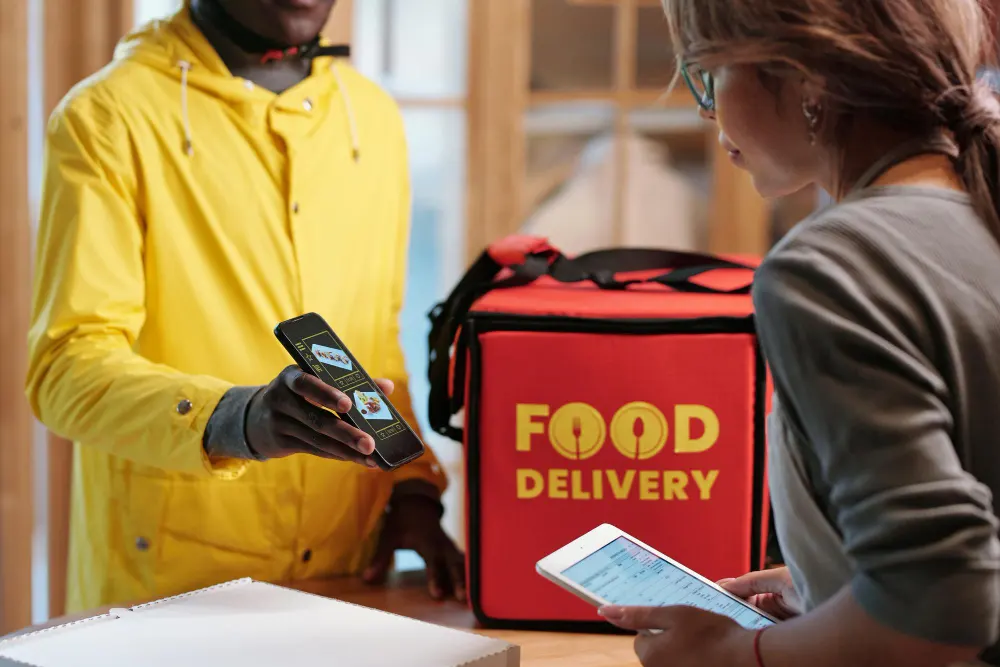
A food delivery management system is a central piece of software that connects your office and your drivers in real time. It replaces the mess of paper with a clean digital dashboard that everyone can see.
This order management system for food delivery makes sure that every order goes straight from the customer to the warehouse without any manual typing. It acts like a brain for your business by organizing every task into a logical sequence that saves you from constant stress.
The technology allows you to see where your trucks are and what they are carrying at any moment of the day. You can send new delivery instructions to a driver’s phone instantly without needing to call them while they are behind the wheel.
A digital system also stores all your customer data in one safe place, so you can find an old invoice in seconds. It is a total shift from being reactive to being proactive in how you handle your daily load.
Benefits of Delivery Management in the Food Business
The real power of a food delivery management system is how it fixes the gap between the warehouse and the customer’s door. When everything runs smoothly, your clients get their orders on time, and that kind of reliability keeps them coming back.
1. Less Food Waste, More Smart Usage
Food waste is a major problem for produce and meat distributors, where every hour of shelf life matters. If you do not track your stock levels correctly, you might end up with crates of spoiled goods that you cannot sell.
Digital tools monitor your inventory in real time and alert you when items are close to their expiry date. These insights allow you to move stock faster and reduce weekly losses from expired stock.
2. Real Cost Savings Across the Board
You save costs the moment you stop wasting fuel on poorly planned routes. A smart system calculates the shortest path for your drivers and accounts for local road closures or heavy traffic.
The delivery management software also reduces the need for extra office staff to handle data entry tasks manually. By cutting down on mistakes and redeliveries, you keep more of your hard-earned profit in your own pocket.
3. Smoother Day-to-Day Operations
A warehouse that uses a digital system is much quieter and less chaotic than one that runs on paper. Staff members know exactly what to pack for each truck because the instructions are clear and easy to read on a screen.
There is no more shouting across the floor or searching for lost pens and clipboards. This organized atmosphere helps your team stay calm and focused on their job even during the busy holiday seasons.
4. Staying Compliant Without the Headache
Food safety rules in Australia are very strict and require you to keep detailed logs of your operations. A digital tool automatically records temperatures and delivery times so you always have proof that you followed the rules.
You do not have to worry about a health inspector finding a gap in your paper records anymore. This automated record-keeping protects your business and gives you peace of mind that everything is above board.
5. Better Food Quality, Happier Customers
When your delivery process is fast, your food stays fresh, and your drinks stay cold. A customer at a cafe will notice if their milk arrives at room temperature because the driver was delayed for two hours.
Efficient management ensures that goods spend less time on the truck and more time in the customer’s fridge. Happy customers lead to positive word-of-mouth, which is the best way for a small distribution business to grow in a competitive market.
Final Thoughts
It is understandable that changing the way you work can feel like a huge task for any business owner. However, moving away from manual tools is the only way to stay ahead in the modern food industry.
A food delivery management system provides the structure you need to stop worrying about daily fires and start looking ahead. At EasyVend, we believe that organization is the key to safety and success for any local operator.
We suggest you take a close look at your current workflow and see where a digital touch could save you time. Using these tools will help you build a stronger and more profitable business that serves your community with pride.