
Australia’s food manufacturing industry continues to grow, but many first-time founders underestimate how complex the setup phase can be. A strong product idea alone does not carry a business forward.
This reality becomes clear early in the process. Delays usually stem from approvals that take longer than expected, failed inspections, unclear pricing, or poor distribution planning. These problems surface early and drain time and cash fast.
In this guide, you’ll learn how to set up a food manufacturing business in Australia, step by step, with real operational scenarios to show what actually happens once production begins.
The following steps outline how to move from idea to compliant production.
1. Research the Australian Food Manufacturing Industry
The first step towards setting up a food manufacturing industry is to get a clear view of the market before spending money on equipment or leasing a facility. Food manufacturing in Australia ranges from small-batch producers to large processors that supply national retailers. Each part of the industry operates under different cost structures and expectations.
For example, a founder producing shelf-stable sauces for supermarkets faces lab testing, packaging validation, and long retail payment terms. In contrast, someone manufacturing frozen ready meals for cafés must manage cold storage, shorter shelf life, and tighter delivery windows. Both are food manufacturers, but their operational realities are very different.
Industry research should answer practical questions such as, Who already sells similar products? At what price point? Who buys them, and how often?
If distributors expect a margin of around 30 percent and retailers expect another 40 percent, only a small portion of the final price is left for manufacturing. Your ingredient, labor, packaging, and operating costs must all fit within that remaining share. Many new food manufacturers in Australia fail here because pricing decisions are based only on ingredient costs, not the full supply chain.
2. Define Your Food Manufacturing Business Model
In the second step, you need to define a clear business model that shapes your cash flow and compliance. This decision affects everything from staffing to the size of your facility.
Some founders build their own brand and sell directly online or through retailers. Others operate as contract manufacturers and produce goods for established brands. Some mix both. Each option has trade-offs that become visible very quickly once production starts.
The most common food manufacturing models look like this:
| Business model | How it works in practice | Main challenge |
| Own-brand manufacturing | You produce and sell under your own label | Marketing costs and retailer margins |
| Wholesale supply | You sell to distributors or food service buyers | Long payment cycles |
| Contract manufacturing | You produce for other brands | Lower margins and capacity pressure |
| Hybrid model | You mix your own-brand and contract work | Operational complexity |
3. Register Your Business and Get Licenses
The third step is to register your business and secure the legal licenses required to operate. In food manufacturing, you must notify or obtain a license before production begins. The type of approval depends on what you make and where you operate as,
- Retail producers usually work with local councils.
- Manufacturers supplying other businesses may need approval from a state food authority.
At a minimum, you’ll need:
- Business registration (get an ABN through the Australian Business Register or register a business name with the Australian Securities and Investments Commission (ASIC) if trading under a name other than your own)
- Food business notification or license
- Council approval for your premises
- A nominated Food Safety Supervisor
4. Secure the Right Location and Facilities
In the next step, you must find a location that meets strict zoning and hygiene requirements. Zoning rules determine if food production is allowed at all. Many industrial spaces look suitable until council review highlights issues with drainage, wastewater, or ventilation.
Facilities must support hygiene and inspections. Access for pallets, storage flow, and staff movement matter. Cold storage requirements can double electricity costs, which surprises many first-time manufacturers.
A compliant location can save months of rework, whereas a poor one can become a constant obstacle.
5. Set Up Your Production Premises and Equipment
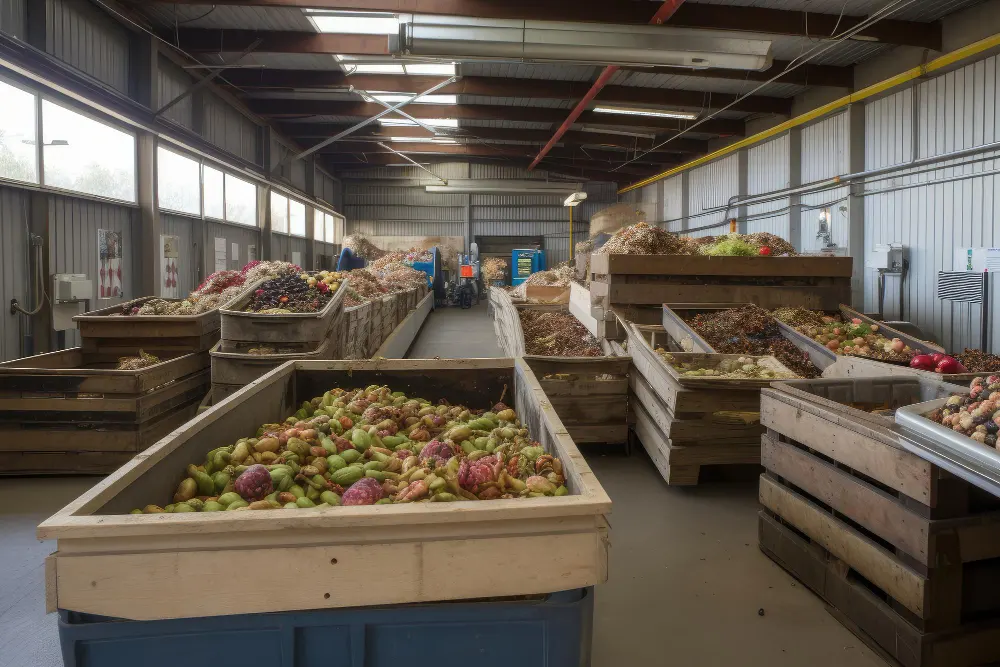
Once you secure the right location. The next step is to design your internal space and choose equipment that fits your volume. When approving your facility, inspectors focus on how your space operates, not just the equipment you install. They assess ingredient flow and how raw materials are kept separate from finished products. For example, if you produce foods containing allergens, you must have clear separation to prevent cross-contact.
Your equipment choices should reflect realistic production volumes. Oversized machinery can increase debt without improving efficiency, while leasing equipment often provides greater flexibility during early growth. Your premises must also support proper sanitation and temperature control.
6. Hire and Train Your Team
Moving to the sixth step, you need to hire staff and implement training to ensure product consistency. In food manufacturing, inconsistency kills your brand. If Batch A doesn’t taste like Batch B, you’ll lose customers and distributors fast. Usually, this isn’t because of “bad” staff, but because of unclear instructions.
Before you hire, write down your basic routines. Every staff member needs to know exactly how to handle:
- Hygiene: Proper cleaning and hand-washing.
- Allergens: How to avoid cross-contamination.
- Temperature: Keeping food out of the “danger zone.”
7. Ensure Food Safety and Compliance
The seventh step is to establish a daily food safety routine to comply with the Food Standards Code. In Australia, food safety isn’t a “one-time” approval; it’s a daily obligation. The Food Standards Code requires you to stay ahead of risks rather than just reacting to them.
The biggest trap for new manufacturers is failing to meet traceability requirements. If a supplier notifies you of a contaminated ingredient, you need to identify every finished product that used it within minutes. This requires every batch to have a unique ID tied to your ingredient invoices. Without this, a minor supplier error could force a total recall of your entire inventory.
Compliance essentially means running a Food Safety Program (like HACCP) that documents your cleaning, pest control, and lab testing to prove your facility is safe every hour it operates.
8. Create Compliant Food Labelling and Packaging
The next step in your food manufacturing business is to design packaging that serves as both a legal document and a sales tool. To pass an inspection, your label must include these mandatory elements:
- Name & Description
- Business Address
- Ingredient List
- The “Big 9” Allergens
- Nutrition Information Panel (NIP)
- Country of Origin
- Date Mark (Usually a “Best Before” or “Use By” date)
9. Set Up Finances and Accounting
After completing the labeling process, you must set up financial systems to manage the gap between production costs and retail payments. Food manufacturing cash flow is tricky because you pay for ingredients upfront, while distributors often take 30 to 90 days to pay you. This cash gap can leave you broke even when sales are high.
To manage this, sync with software like Xero or Mind Your Own Business (MYOB) to track your landed cost, which is the total price of a product, including materials, shipping, and power. Most food products are GST-free, but equipment is not. Make sure you claim back any eligible tax credits from the Australian Taxation Office.
If your forecast shows a shortage, bridge the gap by using invoice finance to get paid immediately on outstanding bills or negotiate longer payment terms with suppliers. Use specific asset loans for machinery rather than cash to keep your bank balance available for daily operations.
10. Develop Your Branding and Marketing Strategy
The last step is to build a brand and marketing plan that drives customer trial and loyalty. Your brand must instantly tell customers why they should choose you over competitors. This is your Unique Selling Proposition (USP). For example, if you sell premium jam, your branding should highlight specific origins, such as “Tasmanian Raspberries,” rather than just “fruit.” In the few seconds a customer looks at a retail shelf, your packaging is your only salesperson.
Effective food marketing relies on visual appeal. That is why high-quality food photography is essential for social media.
You can also go for physical sampling, as it is one of the fastest ways to convert a stranger into a loyal buyer. Getting your product into people’s mouths at markets or boutique grocers proves your quality in a way that an ad cannot.
Conclusion
So, learning how to start a food manufacturing business in Australia is a massive achievement, but it takes more than just a great recipe to stay on the shelves. You need to balance strict compliance and facility standards with the reality of tight cash flow.
By following thisfood manufacturing setup guide and getting your foundations right from day one, growing your business becomes a manageable step-up rather than a constant scramble to keep up. Using a system like EasyVend can help you stay on top of orders, stock, invoices, and deliveries, so you can focus on serving your customers and growing your business with confidence.