Anyone who runs a wholesale bakery knows the pressure of the 4:00 AM rush. Your dough is proofing, ovens are running at full tilt, and you’ve got about a three-hour window to get hundreds of fresh loaves out the door.
In an environment that fast, something as simple as a misplaced paper invoice or a miscommunicated standing order can delay your entire morning delivery run.
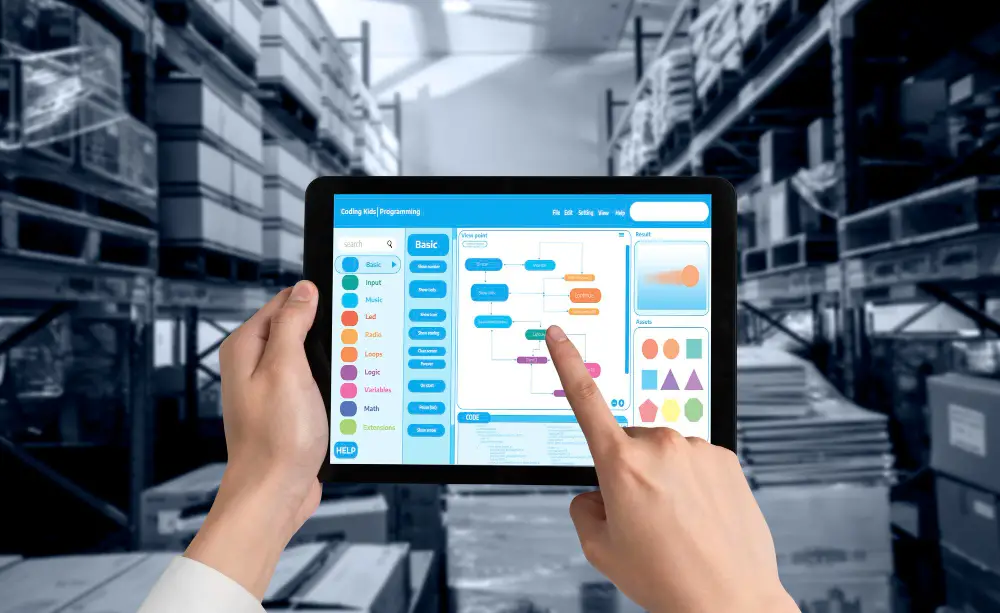
A specialised bread delivery order management system prevents those mix-ups. It connects your bakehouse, delivery drivers, and buyers in one place so everyone sees the same updates in real time.
Having spent years building technology specifically for wholesale food delivery, we know what works on a live route and what falls apart under pressure. In this guide, you’ll learn the eight essential features to look for in bread delivery order management software and how each one helps reduce errors, improve delivery accuracy, and support business growth.
Quick Overview
The top 8 bread delivery order management system features are:
- Centralised Order Management
- Recurring Bread Delivery Scheduling
- Delivery Run Management
- Mobile Driver App
- Digital Proof of Delivery
- Inventory Management During Deliveries
- Automated Invoicing and Payment Management
- Delivery Performance Reporting
What Is a Bread Delivery Order Management System?
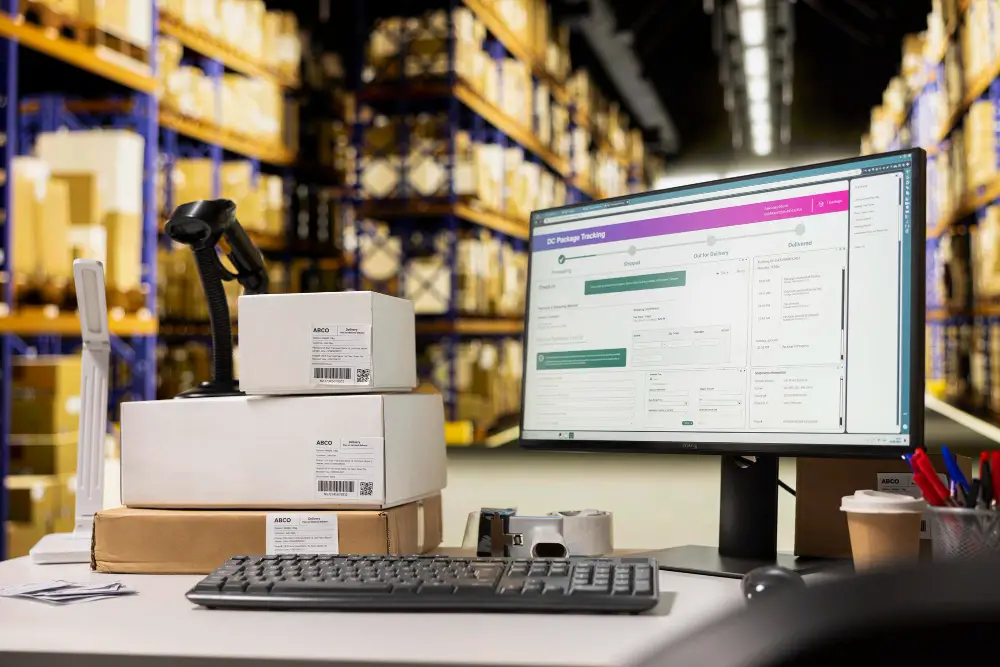
A bread delivery order management system is purpose-built software designed for wholesale bakeries, artisanal bread distributors, and commercial baking operations.
It automates the process of receiving wholesale orders, building production sheets, organising delivery routes, and collecting payment.
Generic software treats your bakery like a traditional warehouse: buy stock, keep it on shelves, and ship when ordered. That traditional approach comes at a high cost. Research from End Food Waste Australia shows that hundreds of thousands of tonnes of bakery goods are wasted each year due to overproduction and poor forecasting systems.
Real bread delivery operates backward. You gather standing orders first, bake to exact numbers overnight, load fresh racks onto trucks, and drop them off to grocery stores, cafes, and restaurants before their breakfast service starts.
8 Essential Bread Delivery Order Management System Features
Before jumping into the details, here is a quick look at why these features matter for your daily runs:
| Feature | Why It Matters |
| Order Management | Prevents missed orders |
| Delivery Scheduling | Automates recurring deliveries |
| Route Management | Saves driver time |
| Driver App | Improves communication |
| Proof of Delivery | Confirms successful deliveries |
| Inventory Tracking | Prevents stock shortages |
| Invoicing | Speeds up payments |
| Performance Reporting | Identifies operational bottlenecks |
- Centralised Order Management
When wholesale customers order across phone calls, WhatsApp, and late-night emails, mistakes naturally happen. An order gets logged twice, or worse, completely forgotten.
Centralised order management pulls every incoming request into one reliable dashboard, so your order log stays updated in real time.
While working with wholesale bakeries, we have experienced that last-minute changes are very common. A restaurant owner might text a driver at 10:00 PM asking for two extra sourdough boules. Without a central system, that text stays trapped on the driver’s phone, and the bake team misses it. With an integrated system, the update flows straight to the morning bake sheet before the ovens even turn on.
- Recurring Bread Delivery Scheduling
Most wholesale bread accounts do not order from scratch every single day. They rely on standing schedules, such as 30 sandwich loaves every Monday, Wednesday, and Friday, with double orders on Saturday mornings.
Dedicated bakery software includes a recurring scheduling feature that puts these standing orders on autopilot. It handles the routine deliveries for you and gives your team the flexibility to tweak quantities for holiday surges or seasonal drops in a few clicks.
Consider a chain of coffee shops that needs its daily order of artisanal ciabatta halved during school holidays. Instead of your office staff manually changing 15 individual daily invoices every week, your team can set a temporary holiday rule in the system. The software adjusts production numbers and driver manifests for those exact dates, then reverts automatically.
- Delivery Run Management
Driving back and forth across town burns expensive fuel and keeps your drivers on the road far longer than necessary. In fact, fleet data from Geotab shows that smart route optimisation reduces total fuel costs by 20% to 25% by cutting out extra miles and traffic idle time.
The delivery run management feature fixes this by planning the smartest delivery routes for your team. Instead of guessing the map, this feature organises your daily drops into fuel-efficient sequences based on:
- Drop-off windows
- Vehicle capacity
- Live traffic conditions.
One of its biggest advantages is its ability to adapt to unexpected disruptions on the road. If a driver is doing 25 drops and hits an unexpected road closure, they don’t have to pull over and guess side streets. The app just reroutes the rest of the run on the fly and sends them to the next closest drop so nobody’s left waiting on their fresh bread.
- Mobile Driver App
Paper sheets often end up crumpled or lost under truck seats. Giving your drivers digital apps puts their daily routes right onto a smartphone or tablet.
Drivers can tap to see delivery locations, check special instructions, and mark orders as delivered in real time.
Say a driver arrives at a hotel at 4:30 AM and finds the back gate locked. They can check the app right away for gate codes and drop-off notes that your team added. This convenience allows them to complete the delivery without delays or the need to make early morning phone calls.
- Digital Proof of Delivery
We hear it all the time from wholesale bakeries: disputes over missing bread crates cost thousands in uncollected invoices every year. A chef claims they received only four sourdough loaves instead of six; without proof, you usually end up eating the cost.
Digital Proof of Delivery (POD) lets drivers capture electronic signatures and take timestamped photos of delivered crates.
When a grocery store receiving manager claims three trays of baguettes were missing from the morning drop, your office team simply opens the delivery log. Pulling up a photo of the trays stacked neatly inside their walk-in cooler settles the dispute immediately and protects your bottom line.
- Inventory Management During Deliveries
Delivery is a two-way street. You aren’t just dropping off fresh product; you’re also managing inventory on the move.
The integrated inventory feature keeps track of:
- What left the bakery
- What was handed over
- What came back
- Where your reusable crates are sitting.
When a driver picks up three stale loaves, they log the return right on their phone. The system automatically credits the customer’s bill and updates your total inventory. It also flags those items for secondary sale or disposal.
- Automated Invoicing and Payment Management
Chasing late payments and creating invoices by hand takes away hours you could spend growing your wholesale business and delays your cash flow.
The automated invoicing feature builds and sends digital receipts the moment a driver marks a delivery complete. It automatically calculates custom customer pricing, discounts, and any on-the-spot adjustments for returns or short deliveries.
Whether your customer needs a printed receipt left at drop-off or a weekly invoice emailed directly to their accounting team, the system handles it automatically, with no manual office work required.
- Delivery Performance Reporting
You can’t fix operational leaks if you can’t see them. Delivery reporting tracks key metrics like:
- Route efficiency
- Late drop-offs
- Driver stop times
- Product waste trends
If the data shows a driver routinely spending 25 minutes at one specific drop compared to 8 minutes everywhere else, you know there’s a bottleneck.
Investigating it usually reveals something simple like a driver stuck waiting for a dock manager to sign paperwork. You get the facts to renegotiate receiving times with that customer and make deliveries smoother.
Benefits of Using a Bread Delivery Order Management System
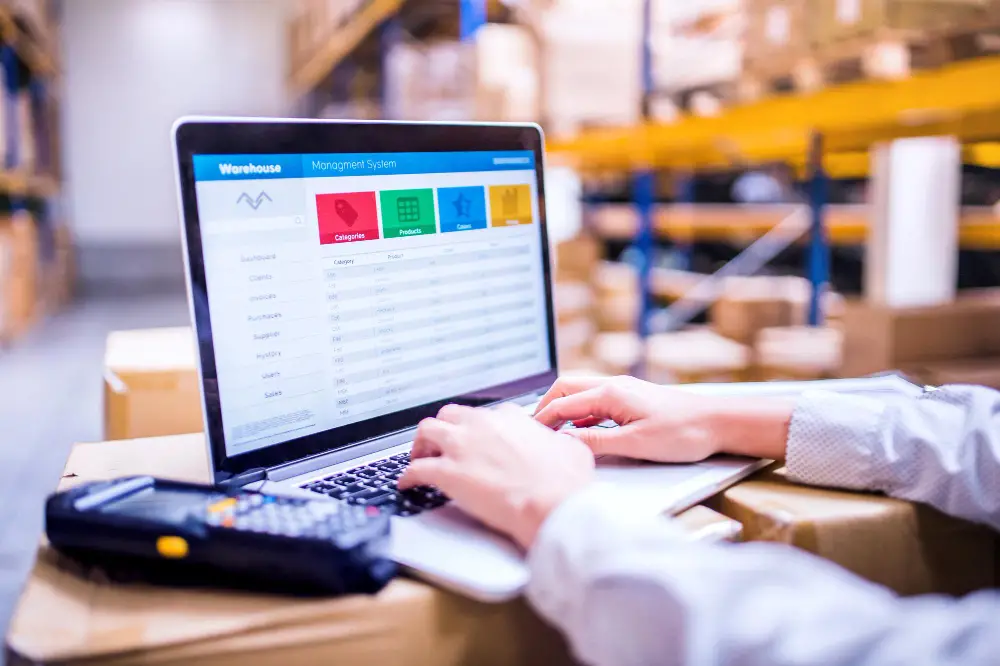
Switching from spreadsheets or paper manifests to a dedicated system completely changes how your bakery operates day-to-day:
Improve Customer Satisfaction and Retention
Grocery store buyers, chefs, and cafe owners need fresh bread on their shelves before the day starts. When you deliver on time with exact crate counts and issue credits without an argument, commercial accounts stick with you for years.
Make Better Business Decisions with Operational Insights
Live reports show where you’re actually making or losing money. You can spot wasteful recipes and far-off drops that burn profit on driver overtime and adjust routes or drop unprofitable accounts to save money.
Increase Team Productivity
Bakers should focus on dough, not decoding messy clipboards at 2:00 AM. Digital logs give your night shift exact production counts instantly, while drivers get clean routes sent straight to their phones. Everyone works faster with fewer mistakes.
Support Business Growth Without Adding Complexity
Taking on 20 new wholesale accounts usually brings administrative chaos if you rely on paper receipts. Purpose-built route software takes on extra volume and new drop-off windows without forcing you to hire extra office staff just to type up invoices.
Common Mistakes to Avoid When Choosing Bread Delivery Order Management Software
Picking software for your wholesale distribution business is a major step. Watching out for these frequent traps can help you select the right platform:
Choosing Generic Software Instead of an Industry-Specific Solution
Generic inventory tools just don’t understand the logistics of fresh bread. They fall flat when trying to handle daily standing orders, dough conversions, crate returns, or last-minute route changes.
It helps to choose software built specifically for wholesale distributors like EasyVend. Everything is handled automatically so you can manage daily orders and tweak routes in real time without the messy workarounds.
Overlooking Ease of Use
Your drivers work early hours and wear work gloves. If an app requires six taps just to confirm a delivery, drivers won’t use it. It pays to look for clean screens, big buttons, and simple workflows that get the job done in seconds.
Ignoring Integration Capabilities
If your software can’t connect to your existing tools, it is better to walk away. A route system that integrates directly with accounting platforms like Xero or MYOB saves your office team from re-keying invoices every single afternoon.
Choosing Software That Cannot Scale
An app might handle three vans fine, then completely freeze when you expand to ten routes across two regions. Checking if the system handles multi-depot setups and growing fleets ensures smooth transitions.
To learn more about managing higher volumes smoothly, read our post on order management scalability and growth strategies
Focusing Only on Price
Going for the cheapest subscription usually ends up costing way more in missed delivery runs and zero help when systems crash. It’s best to invest in a proven system that provides reliable features to actually save your business profit and provides help when you need it most.
Conclusion
From the bakehouse floor to the final shop drop, the right delivery system completely changes how your bakery runs. The right bread delivery order management system helps you reduce manual work, improve delivery accuracy, strengthen customer relationships, and scale your wholesale bakery with greater confidence. Instead of relying on paper records or disconnected tools, your entire team works from one reliable system that keeps every delivery on track.
If you are ready to modernise how your bread gets out the door, book a free demo at EasyVend today and see how easy your morning runs can be.
FAQs
How long does it take to implement an order management system for bread delivery?
Most wholesale bakeries go live within one to three weeks. Onboarding is straightforward. We will help you upload client lists, set up standing order templates, map out delivery routes, and give your kitchen crew and drivers a quick hands-on walkthrough.
Can a bread delivery order management system work with my existing accounting software?
Direct integrations with popular tools like QuickBooks, Xero, and MYOB come standard with modern systems. Daily drops, client credits, and invoices sync straight to your ledger without any need for typing.
Is order management software for bakeries suitable for small businesses?
It works great for smaller setups. In fact, small bakeries running just one or two vans often feel the biggest relief. Automating route planning and morning billing saves small teams hours every day so you can focus on expanding your business.