
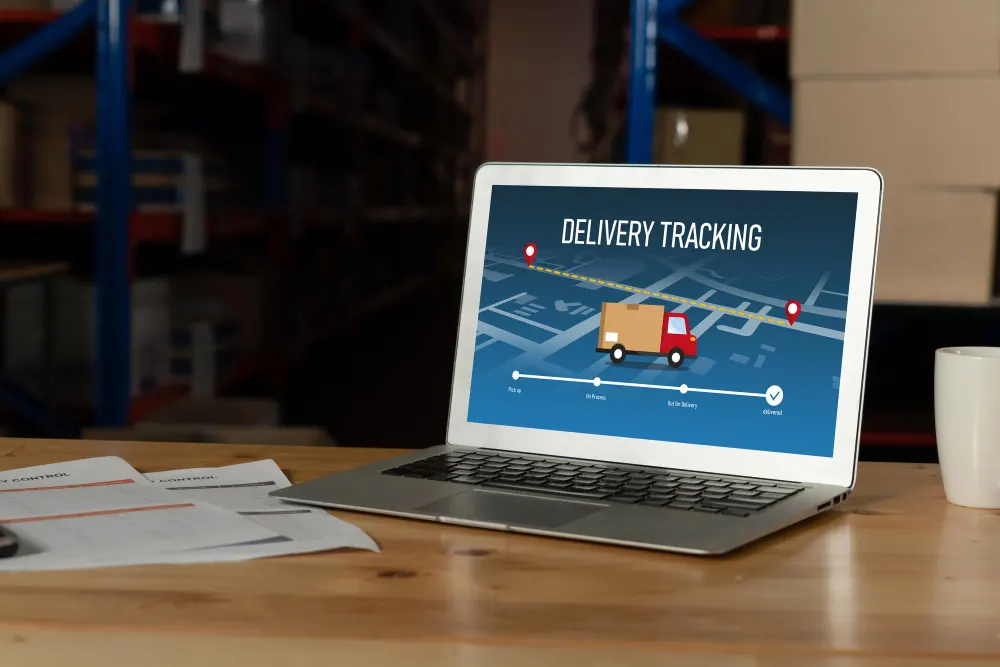
During delivery, your drivers are often the only physical point of contact customers have with your business. When a driver arrives late due to a poorly planned route or a missed turn, your brand reputation is affected.
Many Australian food and beverage distributors still operate without a proper route management system. As a result, they spend hours every night manually mapping out stops on paper, which is exhausting and often leads to costly errors.
In this post, you will explore what route management is, why it is vital for your growth, and how to master it.
What Is Delivery Route Management?
At its simplest, route management is the process of planning and overseeing the routes your drivers take. It is not just about getting from point A to point B. It involves coordinating multiple stops efficiently. You need to look at the entire journey to find the best sequence for every drop-off.
Managing routes effectively means paying attention to a few important details:
- Which drivers are available to work?
- How much stock can fit in each vehicle?
- What time does each customer need their delivery?
When you manage these details well, your team spends less time stuck in traffic and more time getting products to your customers.
Why Route Management Matters for Businesses?
Efficiency in your delivery department can make or break your monthly profits. Think about a milk supplier who has to visit fifty different cafes across a busy city every morning. If the driver does not have a set plan, they might end up driving back and forth across the same bridge three times. That wasted time leads to spoiled products, tired drivers, massive petrol bills, and other avoidable problems that proper planning can prevent.
Key Benefits of Effective Delivery Route Management
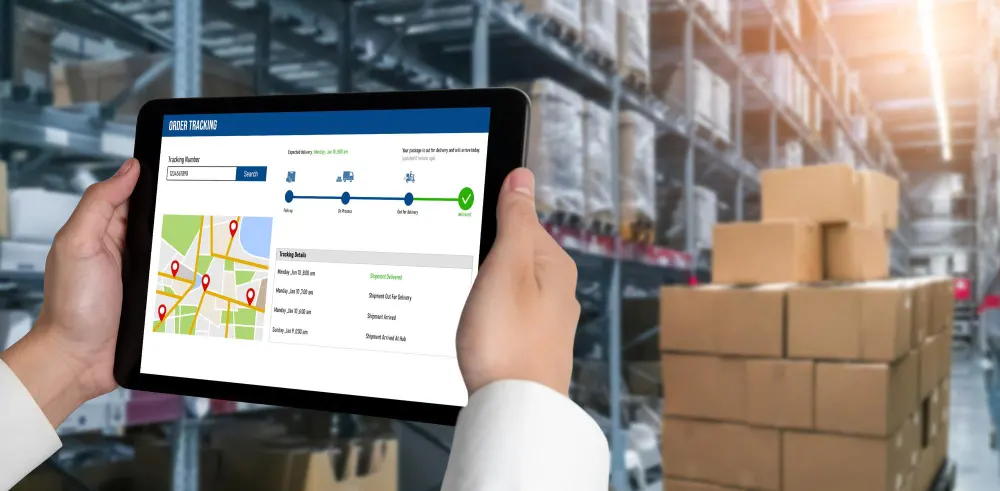
Taking control of your delivery routes gives you a massive advantage over competitors who are still doing things the old way. Here’s how effective route management can make a real difference for your business:
- Faster, More Reliable Deliveries
When you plan your paths accurately, your drivers arrive on time. Clients in the food industry rely on strict schedules to get through their morning rush. If a bakery does not get its flour on time, it cannot start its ovens. Consistent, reliable deliveries build a strong bond of trust with your clients.
- Lower Fuel and Operating Costs
Fuel prices in Australia are always fluctuating, which makes budgeting a challenge. Efficient routes mean your vehicle drives fewer kilometres every day. This saves money on petrol and also means you do not have to replace tyres or service engines as often.
- Better Driver Productivity and Accountability
Drivers are much happier when they have a logical plan for their day. They do not have to stress about which house or shop comes next.
With a clear system, you can also see where your vans are at any time. It helps you reward your best drivers and keep everyone on track.
- Happier Customers and Fewer Complaints
Mistakes usually lead to angry phone calls and the need to issue refunds. When your routing is tight, you miss fewer stops and arrive when you say you will. Consistently reliable deliveries build customer loyalty, and happy clients are the best way to grow your business through word of mouth.
- Improved Cash Flow with Faster Invoicing
Good route management usually goes hand in hand with digital invoicing. When a driver finishes a delivery and marks it as done on their phone, the office can issue the invoice immediately. Doing so speeds up payments and keeps your cash flow steady.
- Scalability for Business Growth
You can manage one or two vehicles in your head, but that becomes impossible when your fleet grows to five or ten. A real routing system lets you add more customers without having to hire more office staff to manage the paperwork. You can grow your business without the usual growing pains.
Common Delivery Route Management Challenges Businesses Face
Even if you have been in business for decades, managing deliveries can still be a headache. These are the hurdles most Australian suppliers face every day.
- Manual Route Planning Takes Too Much Time
Spending hours every night manually mapping out deliveries is exhausting and takes time that could be used to grow your business or spend with your family. When only one person knows all the routes, any absence due to sickness or unavailability can disrupt the entire delivery plan.
- Last-Minute Order Changes and Cancellations
The food world moves fast. A cafe might call you in the early morning to ask for an extra crate of eggs or to cancel because their fridge is not functioning well.
If your plan is written on paper, these small changes can throw off your driver’s entire schedule and disrupt the day’s deliveries.
- Lack of Real-Time Communication with Drivers
Without proper route management, once your drivers leave the warehouse, it can feel like they have disappeared. If a customer calls to ask where their order is, you often have to call the driver, wait for them to answer, and then call the customer back. It is a slow and frustrating way to work.
- Traffic and Delivery Constraints
Roadworks and morning traffic in places like Sydney or Melbourne can turn a quick trip into a nightmare. Plus, some customers have very specific rules about when you can deliver.
Keeping all those rules in your mind while trying to avoid a traffic jam is nearly impossible without proper route management.
How Technology Simplifies Route Management
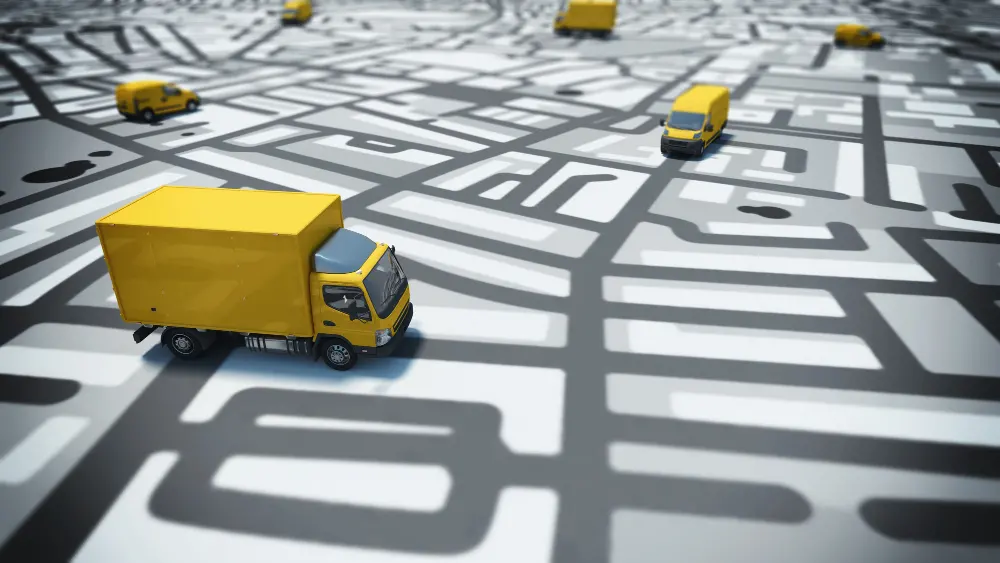
Modern software takes the hard work out of planning your delivery route management. Instead of you trying to remember every one-way street or peak-hour bottleneck, the software works out the best path in seconds. This technology acts like a bridge between your warehouse and your drivers.
For example:
- Many Australian distributors use cloud-based systems that sync with GPS tools. If a road closes due to an accident, the system sends drivers along a faster route automatically.
- Route management software like Route4Me can group orders together. If three clients are in the same industrial park, the system combines them into a single stop, which saves time and fuel.
- EasyVend MiniVend lets drivers collect digital signatures, record delivery notes, and create invoices immediately. This reduces paperwork and speeds up cash flow.
- Some delivery platforms send automatic alerts to clients when the vehicle is five minutes away. It keeps everyone informed without extra phone calls.
To help you choose the right fit, here is a look at some common tools used for managing deliveries:
| Software Type | Examples | Best For |
| Navigation & Traffic | Google Maps, Waze | Real-time traffic alerts and basic turn-by-turn directions. |
| Route Optimisation | Route4Me, Circuit for Teams | Planning the best sequence for 50+ stops in one go. |
| Business Operations | Xero, MYOB | Syncing delivery data with your invoicing and accounting. |
| Industry Platforms | EasyVend | All-in-one ordering, stock, and route management for food/bev. |
5Routing Best Practices for Growing Businesses
If you want to make your food delivery route management more efficient, follow these five simple steps.
- Use Real Data for Your Plans: Do not just guess how long a trip takes. Look at how long it actually took last week and use that to plan for next time.
- Keep Your Stops Close Together: Try to finish all your deliveries in one area before moving on to the next suburb. This saves a lot of time spent on highways.
- Give Drivers an App, Not Paper: Give your team a simple app on their phone that shows their list for the day. This is much harder to lose than a piece of paper.
- Watch Progress During the Day: Use a map to see where your vehicles are. If someone is running late, you can let the customers know before they get annoyed.
- Talk to Your Team: Make certain your drivers know how to use the tools you give them. Ask them for feedback on the routes, as they are the ones out on the road every day.
Conclusion
Getting your delivery route management right is one of the best things you can do for your business. It saves you money, keeps your drivers relaxed, and makes sure your clients are always looked after.
While it might seem like a big change at first, moving away from manual planning to food delivery route management software is the only way to scale your operations without losing your mind.
When your deliveries are sorted, you can focus on what you do best, like providing great products to the Australian food and beverage industry.
How EasyVend Supports Route Management
EasyVend is a specialised platform for Australian food and beverage suppliers. The MiniVend app allows drivers to track deliveries and capture digital signatures on their phones. By linking orders directly to routes, the system removes duplicate data entry.
If you are ready to eliminate manual paperwork and see how a digital system can streamline your delivery day, you can book a free demo now.