
The Australian retail and wholesale market moves fast. Customers today expect quick deliveries and live tracking updates from the moment they place an order. For businesses that process dozens or hundreds of sales each day, keeping up manually is simply not possible.
Order management software in Australia has become a practical solution for businesses of all sizes. No matter if you run a small Shopify store or a large wholesale warehouse, a good system connects your sales channels and stock levels in one place. It saves your team hours every week.
This guide covers the top order management platforms available in 2026 so you can find the right fit for your operation. We have compared each tool across different factors and assessed how well it suits the Australian market.
Best Order Management Software in Australia for 2026

The market has plenty of options in 2026, but not all of them are built with Australian businesses in mind. Here is a look at the best OMS in Australia, compared across different industries.
1. EasyVend
EasyVend is an all-in-one platform designed specifically for Australian food and beverage distributors. It brings orders, stock, deliveries, and invoicing together in one system, helping you run daily operations efficiently.
Trusted by dairies, bakeries, and beverage suppliers, EasyVend keeps orders accurate, streamlines delivery planning, and simplifies recurring orders and stock management, all while reducing paperwork and admin tasks.
Key Features
- It automates standing orders for regular customers
- The system handles paperless invoicing for drivers
- It syncs your sales data directly with MYOB and Xero
- The app manages bottle and crate deposits automatically
- Customers can order anytime through an online portal
Pros
- Local Australian support is available via phone
- It is very easy for delivery drivers to learn basic functions
- The setup process is straightforward and well-supported from day one
Cons
- Some advanced features may take a little time for new users to master
2. Cin7 Core
This platform used to be called DEAR Inventory, and it has grown into a global leader for multi-channel sellers. It is a very strong choice for businesses that sell across physical shops, Shopify websites, and marketplaces like eBay all at once.
The software keeps all your stock levels in one place, so you never accidentally sell the same item twice. It is particularly good at managing complex inventory where you need to track individual batches or expiry dates.
Key Features
- It tracks stock levels in real time across different shops
- The system handles complex kitting and product bundles
- It includes a built-in point of sale system for retail
- You can manage production tasks and raw materials
Pros
- It integrates with almost every major e-commerce app
Cons
- The learning curve can be steep for new users
- Monthly subscription costs are higher for small teams
3. MYOB Acumatica
This is a large-scale system for companies that need more power than a basic app can provide. It is built to handle the needs of big Australian enterprises with many staff members and complex financial requirements.
Because it is part of the MYOB family, it offers deep local compliance and works perfectly with Australian payroll laws. It is a complete ERP solution, meaning it manages your entire business from the front office to the back warehouse in one unified database.
Key Features
- It combines warehouse tasks with full accounting tools
- The software manages complex payroll and staff hours
- You can customise the dashboard for different departments
Pros
- It is a complete all-in-one business solution
- The system scales easily as your company grows
Cons
- It requires a long time to set up and install
- The price point is too high for most startups
4. Unleashed
Unleashed is a top pick for Australian manufacturers and wholesalers who need a clear view of their production costs. It provides a very detailed look at the cost of making your products by tracking every raw ingredient and component you use.
This detailed insight makes it a great choice for companies like craft breweries or health food brands that mix and pack their own goods locally. The real-time visibility allows managers to see exactly where their money is tied up in stock.
Key Features
- It tracks every raw material in your warehouse
- The system calculates the exact cost of goods sold
- It manages purchase orders and supplier information
- You can use barcode scanning for fast stock takes
Pros
- The inventory accuracy is world-class
- It has a very clean and modern user interface
- It integrates perfectly with the Xero ecosystem
Cons
- It does not have its own built-in shipping tool
5. Shippit
Shippit helps retailers manage the shipping side of their orders by automatically finding the best courier rates from partners like Australia Post, TNT, and CouriersPlease.
By connecting your store to Shippit, you can print labels in seconds and give your customers a professional tracking experience that competes with major global brands. It is designed to take the stress out of logistics so you can focus on selling.
Key Features
- It compares shipping rates between different Aussie couriers
- The system sends live tracking links to your customers
- It automates the process of booking a courier pickup
Pros
- It saves a lot of money on standard shipping rates
- The customer notifications help reduce support emails
Cons
- It does not handle deep warehouse inventory tasks
- You still need another app for your accounting needs
6. inFlow Inventory
It is a great all-rounder for businesses that want a simple way to manage their stock without too much technical jargon or a long setup. It uses a very visual layout that makes it easy to see exactly what you have in the warehouse and what needs to be reordered.
Many small Aussie wholesalers choose inFlow because it offers professional features like barcode scanning and B2B customer portals without the high price tag of an enterprise system.
Key Features
- It uses a simple layout that feels like a normal computer app
- The system includes a mobile app for scanning barcodes
- It generates professional quotes and invoices quickly
- You can set low-stock alerts to remind you to reorder
Pros
- It is one of the most user-friendly options available
- The pricing is transparent and fits smaller budgets
- It works well for both B2B and B2C sales
Cons
- It has fewer advanced features compared to larger enterprise systems
- Local app integrations are more limited than those of some other competitors
How to Choose the Top Order Systems AUS for Your Business
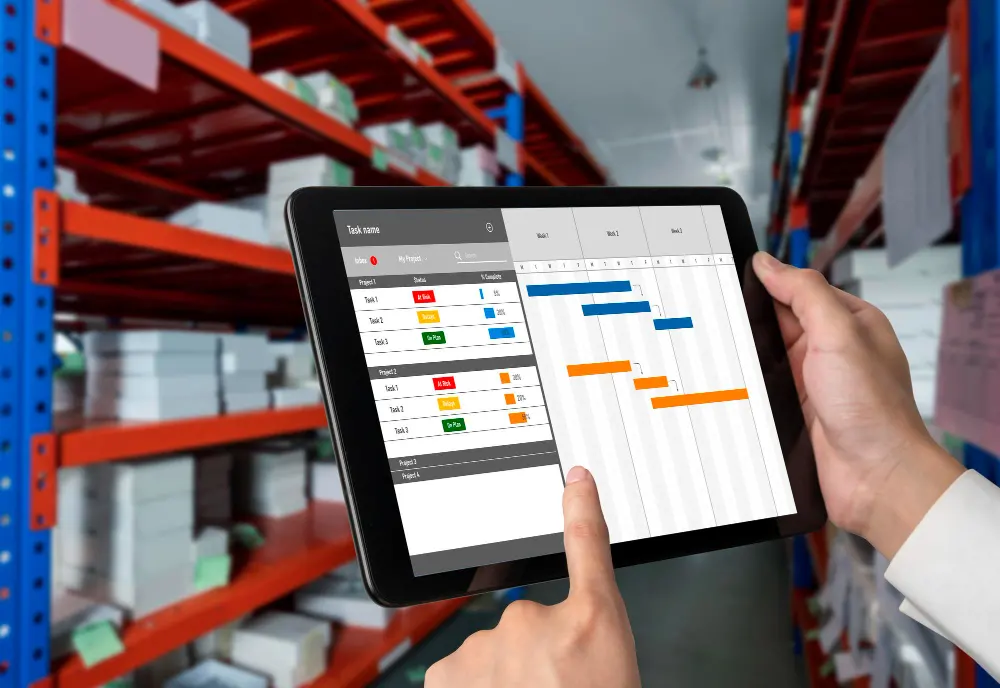
Every business runs differently and has its own set of daily challenges. The right order management software for Australian businesses should fit your current workflow, not force you to change it. Here’s what you need to look for before buying one for your business.
1. Know Your Order Volume
Count how many orders you process each month. Some companies charge based on the number of sales you make. If you have many cheap orders, a per-sale fee might be too expensive. Always choose a system that can handle double your current workload so you can grow.
2. Check Integration Needs
Make a list of the tools you already use, like Xero or Shopify. The best software will plug into your current setup without any custom coding. If the apps do not align, you will end up doing manual data entry, which leads to mistakes.
3. Compare Costs VS Features
Do not pay for tools you will never use. A small wholesaler does not need a complex manufacturing module. Look at the total cost, including training and setup fees. A tool that saves your team time is usually worth the extra price.
Conclusion
The Australian business landscape in 2026 is fast and digital. If you are still using manual spreadsheets, you are likely losing time and money. Moving to a dedicated order management system is one of the best ways to improve your business. It gives you the data you need to make smart decisions and keeps your customers coming back.
Take your time to look at options. Most companies offer a free trial so you can see if the menus make sense to you. Once you find the right fit, you will see that your business runs much more smoothly, and you can focus on growth rather than fixing errors.